Campus Activation Ideas That Students Actually Join
The activations students join are the ones that fit what they were already doing that day. Here are formats that pull a crowd instead of asking for one.
By Collegiate Agency
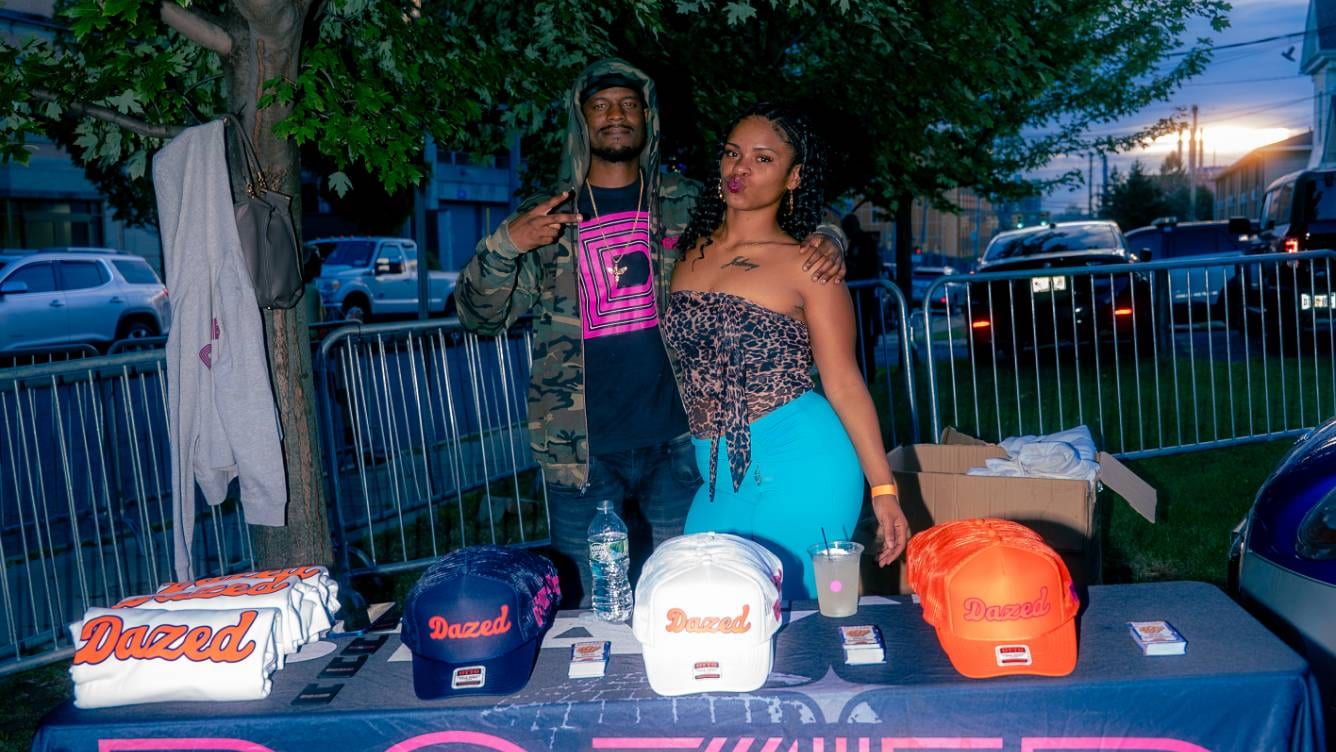
Photo: Collegiate Agency. Photographed at a Collegiate Agency activation.
The activations that work on campus are almost never the ones that ask students to stop what they are doing. They are the ones that fit what students were already doing that day. A table between two class buildings at 11 a.m. is competing with lunch, a group chat, and a nap. A table that hands out cold water on move-in day, or phone chargers during finals, is not competing with anything. It is solving a problem the student already had.
That is the whole game. Before you design a booth, a giveaway, or a photo moment, you are really answering one question: what were students going to do here anyway, and how does the brand make that easier, cheaper, or more fun? Get that right and you do not have to beg for a crowd. Get it wrong and no amount of branded swag will save the afternoon.
The ideas below are formats you can actually execute, grouped loosely by the campus moments they attach to. Under each one is the reason it works, because the reason is more portable than the tactic. Once you understand why a format pulls people in, you can adapt it to your product, your budget, and the specific campus you are walking onto.
Tie the activation to a moment students are already in
The strongest activations borrow energy from something happening around them. You are not creating the reason students are gathered. You are showing up where they already are.
Welcome week and move-in are the clearest example. Students are stressed, carrying things, meeting no one yet, and genuinely need help. A brand that shows up with a hand truck, cold drinks, a phone-charging station, or a shaded place to sit is remembered because it was useful at a moment that felt chaotic. The same brand handing out flyers three weeks later is background noise. Move-in help works because the need is real, immediate, and visible.
Gameday and tailgates are another. The crowd is already there, already in a good mood, already taking photos. Sampling, a branded lawn game, a shaded lounge, or a photo setup fits the day instead of interrupting it. Finals week flips the mood but keeps the logic. Students are exhausted and looking for any small relief, so free coffee, a stress-relief corner, a snack station in the library plaza, or a quiet giveaway lands hard precisely because the week is miserable.
The rule underneath all of these: pick the moment first, then design the format to fit it. A great idea attached to the wrong week is just an expensive table.
Free food and giveaways, but give them a reason
Free food will always draw a line. That is not the hard part. The hard part is making the line worth something to the brand instead of just feeding a hundred people who forget you by dinner.
Attach a small, honest task to the giveaway. Not a hoop that annoys people, just a light reason to engage: scan a code to grab your item, answer one question, follow the account, try the sample and tell staff what you thought, or drop an email for a chance at a bigger prize. The task should take seconds and feel fair for what students get. When the exchange feels lopsided, students do it grudgingly and remember the brand as pushy.
Sampling works best when it is integrated into the moment rather than bolted onto it. A beverage sampled at a hot tailgate, a snack handed out during a late-night library push, a product demoed where students can actually use it right then — these beat a folding table in a random hallway because the context does half the selling. Let people experience the product in the setting it is actually for.
A quick checklist for any giveaway or sampling activation:
- Clear reason to participate. The student can see in one glance what they get and what you want.
- A fast, fair task. A scan, a question, a follow, a sample-and-comment — nothing that feels like work.
- Enough inventory for the window. Running out at the busiest hour reads as unprepared, not exclusive.
- Staff who can actually talk about it. People who know the product, not just people handing out boxes.
- A capture method built in. Scans, sign-ups, or photos happen during the exchange, not as an afterthought.
- A follow-up path. Everyone who engaged should have a way to hear from you again if they want to.
Build an interactive or photo moment worth stopping for
Students will stop for something that is fun to do or fun to be seen doing. A photo moment, a lawn game, a spin-to-win wheel, a customization station where they make or personalize something, a challenge with a small prize — these create a reason to pause that a plain table cannot.
The test for any interactive moment is simple: is it something a student would voluntarily post, or at least tell a friend to come try? If the setup only makes sense with your logo plastered across it, it is a stunt. If it would be mildly fun even without branding, and the brand is woven in naturally, you have something students will actually engage with and share.
This is also where content compounds. A good photo moment produces images and clips that outlive the day itself, especially when you pair it with campus influencers who can bring their audience by and post from the activation. The interactive element gives them something real to capture instead of a generic sponsored mention. Just make sure the moment can handle a crowd — a great idea with a ten-minute wait becomes a line people abandon.
Partner with the people who already have the students
You do not have to build the audience from scratch. Student organizations, rec centers, residence life, Greek chapters, and campus event boards already have the students, the trust, and often the permits. Partnering with them can turn a cold activation into a warm one.
A rec center collaboration puts a fitness or wellness brand where active students already are. A tie-in with a student org's existing event means you are adding to something students already planned to attend rather than asking them to attend a new thing. These partnerships also help with the parts of activation that quietly sink brands: access, space, and the social permission that comes from a familiar campus group vouching for you.
The same logic extends off campus. Off-campus housing complexes, the bars and venues where students actually spend weekends, and local retail partners are all activation surfaces, especially at commuter schools or city campuses where "on campus" is only part of student life. A resident event at a big off-campus complex, or a sampling push at a venue on a busy night, can reach students the quad never will. Well-briefed brand ambassadors are what make these partnerships run, because they live in these spaces and can carry the message where staff flown in for a day cannot.
Staff it and permit it like you mean it
Ideas are cheap. Execution is what students actually experience. A brilliant concept run by two under-briefed temps who ran out of product by noon will do more harm than a modest idea run well.
Sort the boring logistics before the creative expands. Get the permits and space approvals in writing rather than assuming access. Confirm power, water, shade, tables, and load-in and load-out timing. Staff for the real peak, not the average, and brief every person on what the brand is, what the offer is, and what to do when someone asks a hard question. Students can tell instantly whether the person at the table cares, and that impression sticks to the brand.
Match the activation to the calendar too. The best format lands flat during dead weeks, breaks, or the middle of finals when nobody is outside. Confirm the day has the foot traffic your idea needs before you lock it in. Formats that depend on a crowd — photo moments, games, sampling — need a moment that reliably produces one.
Capture the proof, then actually follow up
An activation that leaves no trace is a party, not a marketing program. Decide before the day what you will walk away with: photos and clips, QR scans, sign-ups, samples distributed, conversations logged, questions students kept asking. Build the capture into the exchange so it happens naturally rather than as a clipboard someone waves at the end.
Then use what you captured. This is where most campus activations quietly fail. The email list sits untouched, the followers never hear from the brand again, the great photos never get repurposed. The point of collecting sign-ups and scans is the follow-up: a message, an offer, an invite to the next thing. Warn yourself off the pure gimmick here — a viral-looking moment with no capture and no follow-up feels great on the day and produces nothing you can build on. A modest activation with clean capture and a real follow-up plan will beat it every time. Before using those sign-ups, assign access and retention responsibilities using the NIST guidance on protecting personal information.
Keep your claims honest in the recap. Report what actually happened — what you handed out, what got scanned, what students said, what slowed you down — and let that decide whether the format is worth repeating, moving, or dropping.
The best campus activation ideas are not the flashiest ones. They are the ones that fit a moment students were already in, gave a clear reason to join, ran smoothly enough to be a good experience, and left you with proof you can act on. Start from the moment, design the format to fit it, staff it properly, and capture what happens. If you want help turning a concept into a real campus plan, look at our events work and how we think about college festival sponsorship, or send the brief here and we will help shape the first activation.
Planning a campus activation?
Plug into the Night School Tour and our welcome-week network across campus markets. Tell us the goal and we will come back with a plan and firm pricing.
Student, not a brand? Apply to the ambassador network.