Campus Brand Activation Agency: Buyer Checklist
A practical buyer checklist for choosing a campus brand activation agency that can plan the work, staff the market, protect the brand, and prove what happened.
By Collegiate Agency
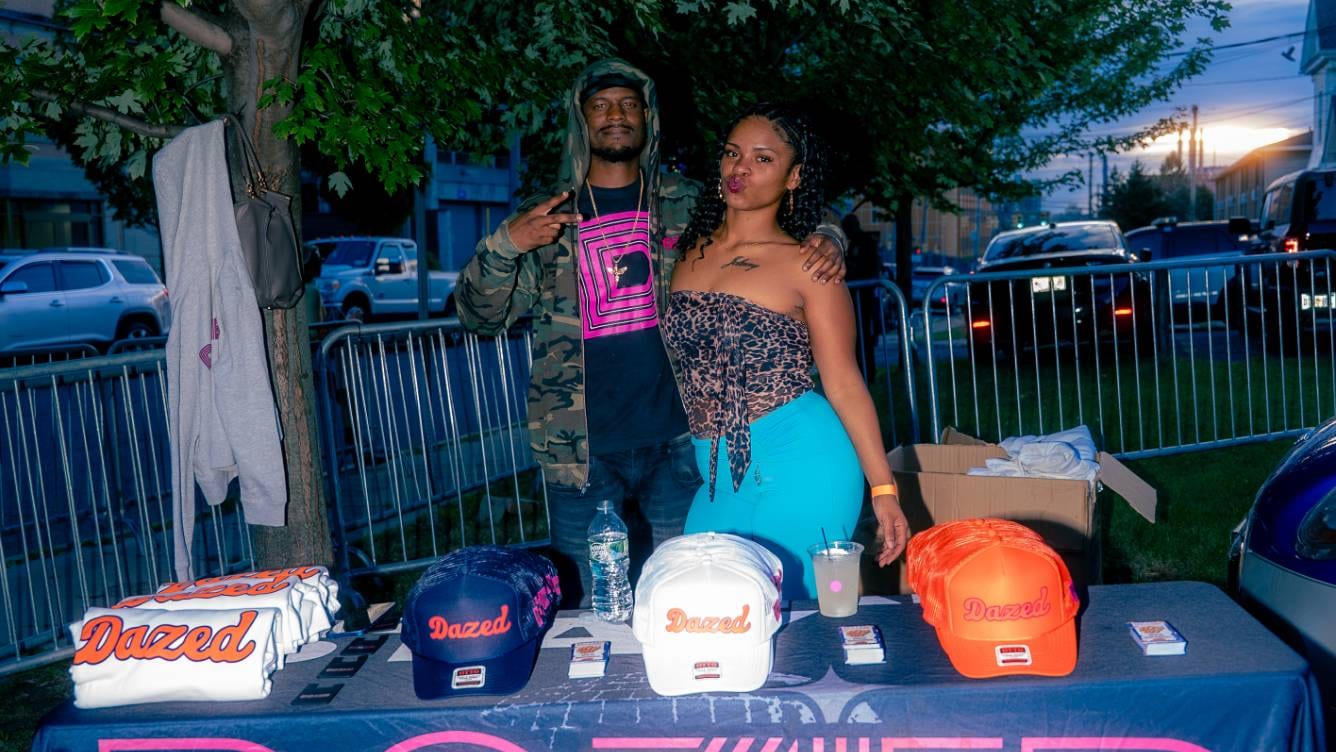
Photo: Collegiate Agency · License. Photographed at a Collegiate Agency activation.
A campus brand activation agency should make a brand feel present on campus without making students feel like they walked into a corporate booth. That is a harder job than booking a table, hiring a few reps, or shipping boxes of samples to a student group. The agency has to understand the campus calendar, student routines, venue rules, staffing realities, and what your brand actually needs to prove before it spends more money.
If you are a brand marketer comparing partners, the first question is not whether the agency says it can reach Gen Z. The question is whether it can turn your campaign goal into a real campus operating plan. You need to know which schools make sense, what the activation should look like, who will run it, how students will hear about it, what proof you will receive, and what could go wrong.
Use this checklist before you hire a campus brand activation agency, especially if the campaign includes sampling, events, ambassadors, creator content, or a multi-campus rollout.
Start with the business goal, not the campus tactic
A good campus activation starts with the buyer's outcome. Are you trying to drive trial, collect sign-ups, support retail distribution, build content, earn survey feedback, create a nightlife moment, or test whether a campus market deserves more budget? Each goal changes the plan.
A sampling campaign needs product logistics, distribution rules, storage, staffing, and a location where trial feels natural. A launch event needs programming, RSVPs, ambassadors, venue flow, and a recap system. A student content push needs creator fit, disclosure standards, usage rights, and proof of posting. If the recommendation is the same no matter what your goal is, you are not buying strategy.
The cleanest first brief usually answers five questions:
- Which student audience matters most?
- Which campuses or cities are priorities?
- What student action would make the campaign successful?
- What product, offer, or experience can students engage with in person?
- What evidence will your internal team need after the campaign?
For brand teams that need an in-person channel, Collegiate's campus events and activations are built around this operating question: what should happen on campus, who gets students there, and how do we prove it happened?
Check whether the agency can actually operate on campus
Campus access is not a claim. It is a set of relationships, systems, and execution habits. Before you hire a campus brand activation agency, ask how it gets from a signed scope to a staffed event.
You want clear answers on recruiting, training, scheduling, venue coordination, communication, product handling, weather backup, and proof of work. If the campaign uses student reps, ask how they are screened and managed. If the campaign uses a venue or event, ask who owns the run of show. If the activation includes product sampling, ask where product sits before the event, who checks inventory, and what happens if shipment timing slips.
This is where a real operator separates from a reseller. A reseller can sell a campus list. An operator can tell you what the first two weeks of work look like, what the day-of staffing plan looks like, and who is accountable when the plan changes.
You should also ask how the agency keeps the brand from feeling like an outsider. Students move through campus through routines: class, dining, clubs, Greek life, group chats, athletics, nightlife, apartment buildings, and creator feeds. The activation should enter one of those routines naturally. Forced attention is expensive. Native attention is earned by matching the format to the moment.
Compare activation formats before choosing one
Not every brand needs a full campus event. Not every product should be handed out by ambassadors. Not every campaign needs creators. The agency should help you choose the right format for the job.
| Format | Best for | Buyer risk to check |
|---|---|---|
| Product sampling | Trial, taste, demos, QR scans, retail pull-through | Storage, permissions, waste, staff training, proof of distribution |
| Campus event | Launches, nightlife, welcome week, tailgates, community moments | Venue control, attendance plan, production, staffing, recap assets |
| Ambassador push | Repeated awareness, RSVPs, peer recommendation, campus feedback | Vetting, reliability, disclosure, deadlines, screenshot proof |
| Creator content | Social proof, short-form content, post-event reach | Audience fit, rights, brand safety, usage terms |
| Product placement | Putting product into existing student moments | Fit with event, product visibility, inventory, sponsor rules |
The strongest campaigns usually combine two or three formats. An event creates the moment. Student brand ambassadors drive the invitation and local trust. Product placement or sampling gives students something to experience. Creators extend the moment after the event.
The mix should follow the goal. If you need trial, prioritize product movement and feedback. If you need awareness, prioritize the experience and distribution. If you need retail support, prioritize campus selection, proof of product interaction, and follow-up content your sales team can use.
Require proof of work that your team can use
A campus activation is only useful if your team can evaluate it afterward. Do not settle for vague recap language. Ask what proof you will receive before you sign.
A practical recap package can include:
- date, market, location, and activation format
- staffing roster or ambassador roster summary
- photo and video assets from the activation
- product distributed, QR scans, RSVPs, sign-ups, or other campaign actions
- top student feedback or operational learnings
- what the agency would repeat, cut, or change next time
The FTC's guidance on endorsements, influencers, and reviews is also worth keeping in mind when the plan includes ambassadors, creators, testimonials, or paid recommendations. Your agency should understand that disclosure and honest representation are part of brand safety, not an afterthought.
For product-heavy campaigns, Collegiate's product placement options are designed to connect product with events, student organizations, venues, and ambassador-led moments instead of treating distribution as a disconnected handout.
Watch for red flags in the sales process
The easiest way to spot a weak campus partner is to listen for answers that sound impressive but cannot be executed.
Be careful when an agency leads with huge reach but cannot explain where that reach lives. Be careful when it promises viral student attention without naming the campus moments that would create it. Be careful when it says it can activate anywhere but has no process for local staffing, product handling, or event permissions. Be careful when the whole proposal depends on a generic influencer package instead of a campus plan.
You do not need a 40-page deck to make a good decision. You need a partner who can make the work concrete. Ask for the first market recommendation, the first event format, the staffing model, the content plan, the proof package, and the reason each piece exists.
A strong campus brand activation agency should be comfortable saying no to the wrong tactic. If a brand asks for sampling but the product is hard to store, the agency should flag it. If a brand wants a creator push but has no usage rights plan, the agency should flag it. If a campus event needs more lead time, the agency should flag it before the budget is committed.
Use a simple buyer scorecard
Before you choose a partner, score the agency on execution rather than polish.
- Strategy fit: Do they understand the business goal, or are they only selling a channel?
- Campus specificity: Can they name the type of campus, moment, and student routine that fits the brand?
- Operating plan: Can they explain staffing, timeline, product flow, and day-of ownership?
- Student distribution: Can they activate ambassadors, creators, student groups, or event partners without making the brand feel forced?
- Risk control: Do they discuss permissions, disclosures, venue rules, weather, inventory, and backup plans?
- Measurement: Do they define proof of work before the event happens?
- Next-step clarity: Do they know what a pilot should prove before asking for a larger rollout?
If you want to test whether Collegiate is the right campus brand activation agency for your campaign, send the target schools, product, timing, and goal. The right first step is usually a focused pilot: one campus market, one clear student action, one proof package, and a decision on whether to scale.
Planning a campus activation?
Plug into the Night School Tour and our welcome-week network across campus markets. Tell us the goal and we will come back with a plan and firm pricing.
Student, not a brand? Apply to the ambassador network.