Campus Influencers: How to Build a College Creator Program
How to build a campus influencer roster that actually converts — picking real student creators, briefing them well, tying content to campus moments, and measuring the first test.
By Collegiate Agency
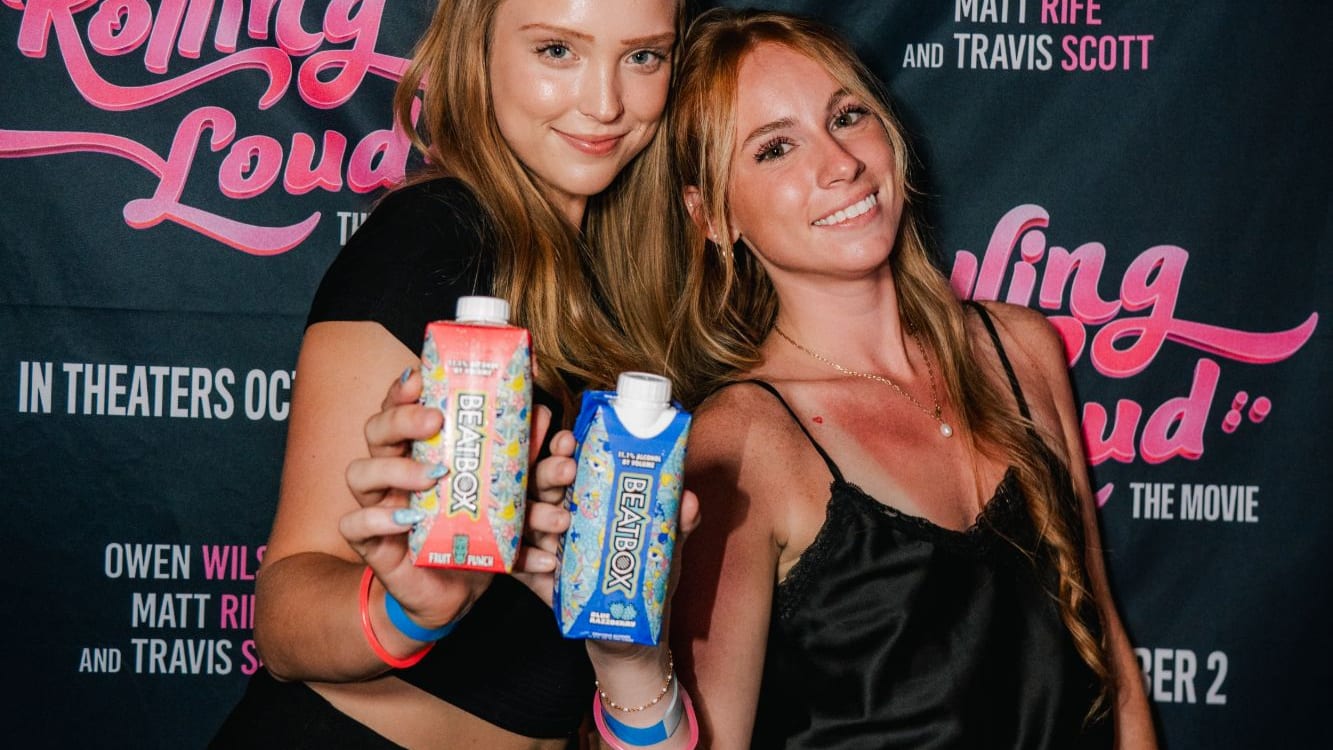
Photo: Collegiate Agency. Photographed at a Collegiate Agency activation.
Campus influencers can make a college marketing program feel like it belongs in student life instead of arriving from the outside. The right student creator understands the campus language, the social calendar, the group chats, the humor, the friction points, and the small details that make a brand feel natural or forced.
That does not mean you should buy a list of students with followers and hope the content works. A campus creator program needs the same discipline as any other field channel: clear goals, campus fit, creator vetting, content expectations, usage rights, approval timing, and a recap your team can actually use.
If you are evaluating campus influencers for a launch, sampling push, event, or multi-school campaign, use this guide to build a first test that is practical enough to execute and specific enough to improve.
Start with the campus behavior you need to change
Before you pick creators, define the action you want students to take. A campus influencer campaign can support awareness, event attendance, product trial, app downloads, retail visits, waitlist sign-ups, content collection, or feedback. Each goal changes who you should recruit and what they should post.
If your goal is event attendance, you need students who can make the event feel socially relevant before it happens. That may include creators who are close to nightlife, Greek life, clubs, student organizations, sports-adjacent circles, or campus entertainment. Pairing creators with campus events can help the content point to a real moment instead of a generic announcement.
If your goal is product trial, you need creators who can explain when the product fits into student life. A snack, beverage, beauty item, wellness product, app, fashion drop, or local offer each needs a different setting. The post should answer a simple question: why would a student care now?
If your goal is peer recommendation, connect influencers with college brand ambassadors so the content does not live alone. Creators can introduce the idea, while ambassadors keep the brand present through conversations, samples, RSVPs, and follow-up on campus.
Do not start with follower count. Start with the behavior. Then choose the creators who can influence that behavior in a believable way.
Vet creators for campus fit, not just reach
A large audience is useful only if it overlaps with the students you are trying to reach. For campus influencers, audience quality matters more than a clean media kit.
Ask where the creator's audience actually comes from. Are followers current students at the target school? Alumni? High school students? A national audience with no campus concentration? A creator can have strong content and still be wrong for a campus-specific campaign.
Review recent posts before you approve anyone. Look for how the creator talks, what settings they use, who comments, and whether campus appears naturally in the content. A student who regularly covers local events, outfits, dorm life, food spots, student routines, campus humor, or social weekends may be more valuable than a creator with higher reach but no visible school connection.
You should also check reliability. Campus campaigns move quickly. A creator who misses deadlines, ignores revisions, or cannot follow disclosure instructions can create more work than value. Ask for sample deliverables, posting windows, preferred formats, and whether the creator is comfortable capturing content at a live activation.
A practical vetting screen should include:
- School and class year or current campus connection.
- Audience location and visible student engagement.
- Content categories that match the campaign setting.
- Brand safety concerns, including past posts that may conflict with your product or category.
- Comfort with deadlines, approvals, disclosures, and recap screenshots.
- Ability to attend or promote the real campus moment if the campaign includes one.
The goal is not to make creators sound corporate. The goal is to protect the campaign while keeping the content student-native.
Build a brief that gives direction without flattening the voice
The best creator brief is specific about the job and flexible about the expression. If the brand script is too tight, the content will feel like an ad pasted into a student feed. If the brief is too loose, the creator may miss the point entirely.
Give creators the campaign context in plain language. Tell them who the brand is trying to reach, what students should know, what action matters, what claims are approved, what cannot be said, and when the post needs to go live. Include product facts, event details, offer terms, disclosure requirements, and any visual must-haves. Use the FTC rules on disclosing endorsement relationships when translating those requirements into the creator brief.
Then give them room to translate the idea. A creator knows whether a dorm-room explanation, getting-ready clip, event preview, day-in-the-life mention, campus walk-through, group reaction, or recap format will feel natural to their audience. Ask for a concept before they shoot, but do not force every sentence unless compliance requires it.
For a first campus influencers test, keep the deliverables simple. You might ask for one short-form video, three story frames, and basic recap screenshots. If the campaign supports a live moment, add a pre-event post and a day-of reminder. If the campaign supports product trial, add a clear pickup, sampling, or landing-page instruction.
Use campus influencer marketing as a creative channel, not a magic fix. The brief still needs a reason for students to care.
Use this creator selection table before you approve spend
The table below gives your team a quick way to compare creator options without overvaluing follower count.
| Decision area | What to ask | Strong signal | Watch-out |
|---|---|---|---|
| Campus connection | Is this creator actually tied to the target school? | Current student, recent campus content, visible local comments | General lifestyle audience with weak school overlap |
| Audience quality | Who appears to engage with the content? | Students, campus groups, local peers, relevant creators | Generic comments, suspicious engagement, unclear location |
| Content fit | Does their normal format match the campaign? | Natural posts about student routines, events, product use, or local culture | Feed style that would make the brand feel forced |
| Execution reliability | Can they hit deadlines and provide proof? | Clear posting window, responsive communication, recap screenshots | Vague availability or resistance to basic reporting |
| Activation fit | Can they support the real campus moment? | Able to attend, promote, or capture an event or sample drop | Content is disconnected from what students can actually do |
| Brand safety | Is the creator safe for the category? | No obvious conflicts in recent content | Past posts or tone that could distract from the campaign |
Use this as a discussion tool, not a rigid scorecard. The right choice may be a smaller creator with stronger campus trust, especially if the campaign depends on in-person action.
Connect content to events, ambassadors, and follow-up
Campus influencer posts work harder when they are part of a larger campus system. A creator can create attention, but students still need a place to go, a product to try, a person to ask, or a next step to take.
For event-led campaigns, use creators before, during, and after the activation. Before the event, they can explain why it is worth attending. During the event, they can capture the energy and show the brand in context. After the event, they can extend the moment with recap content, thank-you posts, or reminders tied to an offer.
For ambassador-led campaigns, creators can help recruit attention while ambassadors handle repeated presence. A creator may introduce the campaign to a broader student audience. Ambassadors can then answer questions, distribute samples, collect RSVPs, support check-ins, and keep the conversation going in the places where students actually interact.
For sampling campaigns, influencers can show the product in use before students receive it. That makes the handoff feel less random. A student who has already seen a trusted peer try the product may be more open when a rep offers it at a pop-up, apartment drop, club meeting, or sponsored event.
The follow-up matters as much as the post. Decide what happens after students watch: click a link, save an event, visit a table, scan a code, try a product, follow the brand, join a list, or message an ambassador. If there is no next step, your campaign may produce content without movement.
Measure the first test with proof you can reuse
Do not promise that campus influencers will automatically make a campaign take off. Treat the first wave as a structured test. Your team should leave with enough evidence to decide whether to expand, change campuses, adjust creators, or shift the offer.
Set expectations before content goes live. For each creator, define the deliverables, posting window, approval process, usage rights, link or code requirements, and recap format. Make sure you know whether the brand can reuse the content in paid media, on owned channels, in sales materials, or only as organic creator content.
After the campaign, collect the basics: live links, screenshots, post dates, view counts where available, engagement visible from the platform, story frame screenshots, link clicks or code usage if tracked, event RSVPs if relevant, and field notes from ambassadors or event staff. Keep the recap honest. If a post underperformed, note what may have affected it: weak campus fit, unclear offer, poor timing, creator mismatch, or a next step that was too hard.
A clean recap should answer four questions:
- Which creators produced the most useful attention?
- Which campus moments created the best content?
- Which message or offer was easiest for students to understand?
- What would you repeat, cut, or test differently in the next wave?
If you want help building a student creator plan around events, ambassadors, or sampling, contact Collegiate Agency. The right campus influencers program should feel local to students and useful to your internal team.
Want ambassadors on your campuses?
We screen, verify and manage campus ambassadors, so brands get reliable representation rather than a gamble. Price a program in about a minute.
Student, not a brand? Apply to the ambassador network.