Campus Marketing Agency RFP: A Practical Buyer Checklist
Compare campus marketing partners on the work they will deliver, not the size of a pitch deck. Start with a brief, an evidence checklist, and a small pilot.
By Collegiate Agency
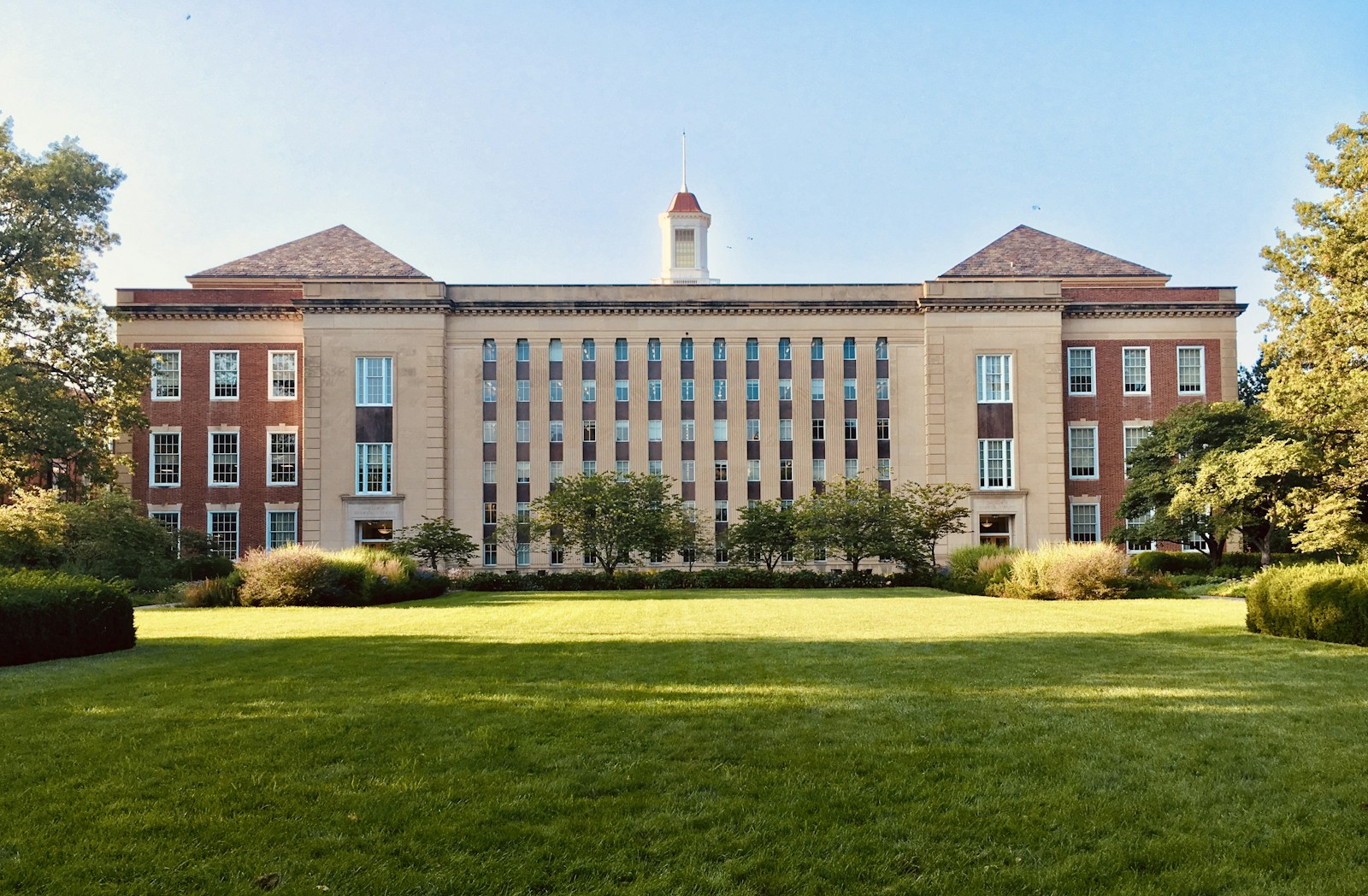
Photo: Michael Marsh / Unsplash · License. Illustrative campus photograph, not a Collegiate Agency activation or endorsement.
A campus marketing agency RFP should make competing proposals easier to compare, not give every agency a different assignment. Your goal is to learn who can reach the right students, deliver the promised work, and show what happened afterward. A long list of campus names does not answer those questions. Neither does a creative concept without a staffing plan.
You do not need an elaborate procurement process to get useful answers. You need a common brief, a consistent response format, and a clear distinction between confirmed capabilities and assumptions. Use the checklist below when you are choosing a partner for events, student ambassadors, or product placement. It is a suggested buying framework, not a promise of campaign results or a substitute for your legal and procurement review.
Start with the decision your pilot needs to support
Before asking agencies for ideas, write down the decision you want to make after the campaign. Perhaps you need to know whether students will try your product in a particular setting. Perhaps you want to test whether ambassador invitations bring qualified attendees to an event. Those questions require different activities, records, and follow-up plans. A vague objective such as awareness lets every bidder define success differently.
Name one primary outcome and a few supporting observations. For an event pilot, that might mean verified attendance from a defined audience, with invitation activity and post-event feedback as supporting context. For sampling, distinguish units handed out from people who tried the product and people who voluntarily opted into follow-up. Do not ask an agency to treat those measures as interchangeable.
Set boundaries before the proposal arrives. Identify your intended markets, student communities, campaign window, product restrictions, available inventory, and internal approval lead times. Share a working budget range if your procurement process allows it. Ask bidders to list assumptions rather than hide them inside a single price. A clear brief makes a smaller, workable proposal more useful than an ambitious plan that depends on permissions nobody has checked.
Ask for campus access and a named operating plan
Campus access is not a single capability. An agency may have relationships with student organizations, off-campus venues, individual creators, or university departments. Those relationships do not necessarily authorize the same activities. Ask the bidder to identify the setting for every proposed activation and explain who can approve it. A student contact is not automatically permission to operate on university property.
For each proposed market, request the current status of access: confirmed, subject to approval, or not yet approached. Then ask what happens if the preferred location is unavailable. A credible alternate plan should identify the substitute setting, the effect on your audience, and any changes to cost or deliverables. Avoid accepting a list of backup campus names as a complete contingency plan.
Ask who owns execution. You should know the account lead, on-site lead, recruiting owner, and reporting owner by role, even if final staff names arrive later. Have bidders describe training, attendance confirmation, backup staffing, escalation, and supervision. If a plan depends on brand ambassadors, request the screening process and the tasks students will be paid to complete. A roster is useful only when it connects to responsibilities.
For campus events, ask for a run of show that covers arrival, setup, public operating hours, inventory checks, incident escalation, and teardown. Keep the responsibilities realistic. An ambassador who is greeting guests should not simultaneously be the only person responsible for inventory, photography, consent, and crowd management. Ask the agency to explain those trade-offs before the event, not in the recap.
Use one response checklist for every bidder
Give every agency the same checklist and ask for direct answers with supporting evidence. This keeps an attractive deck from distracting you from missing operational details. You can still invite creative ideas, but require the core answers first. The following is a practical template you can copy into your brief.
- Audience and setting: Which student communities are you trying to reach, where will the activity happen, and why is that setting appropriate for the product?
- Access and permissions: Which relationships are current, which approvals remain outstanding, who is responsible for obtaining them, and what is the fallback?
- People and supervision: Who recruits, trains, schedules, manages, and pays the team? What happens when a scheduled person does not arrive?
- Deliverables: List each event, shift, piece of content, placement, and reporting item separately. Define quantities, due dates, acceptance criteria, and exclusions.
- Product handling: Who receives shipments, counts inventory, stores product, handles leftovers, and documents losses? Note any temperature, age, or safety restrictions.
- Creative and rights: Who approves copy, how are paid relationships disclosed, and what usage rights and releases will you receive for photos and content?
- Measurement: Define each reported metric, its collection method, its limitations, and the evidence you can inspect without exposing unnecessary student information.
- Commercial terms: Separate agency fees, labor, production, travel, venue costs, and optional items. Explain payment timing, cancellation terms, change requests, and contingencies.
Ask each agency to mark an answer as confirmed, proposed, or dependent on approval. Request a redacted example of the reporting format and a relevant execution example the agency is authorized to share. If a bidder cannot show client materials because of confidentiality, ask for a clearly labeled sample template instead. Do not reward invented evidence or require disclosure of another client's private data.
Compare evidence, not the biggest headline number
Choose your evaluation criteria before reviewing the proposals. Otherwise, a polished presentation can quietly change what matters to your team. A useful scorecard can cover audience fit, access readiness, staffing clarity, measurement quality, and commercial clarity. Have reviewers write the reason behind each assessment, including the specific answer or evidence that supports it.
Use a simple three-level rubric. Mark a criterion as ready when the proposal provides an accountable owner, a workable process, and relevant support. Mark it as conditional when the plan is plausible but depends on an unresolved approval or assumption. Mark it as incomplete when you cannot identify what will happen or who will do it. These are suggested evaluation labels, not industry benchmarks.
Do not average away a serious blocker. Missing permission, unsuitable product handling, or an unclear payment arrangement should trigger a follow-up discussion even if the creative scores well. Ask shortlisted agencies to answer the same unresolved questions in writing. Keep a record of material changes so your final agreement reflects the version you actually selected.
Be careful with audience and performance figures. Ask whether reach refers to followers, estimated exposure, platform-reported impressions, or verified attendance. Request the timeframe and the collection method. A large social audience does not establish that your target students saw a particular campaign. Historical results can help you understand experience, but they are not a guarantee of what your pilot will achieve.
Contract a small pilot with a useful review point
A pilot should be small enough to supervise and structured enough to teach you something. For example, you could compare a similar activity across three selected campuses, provided the settings, timing, and records are sufficiently comparable. Three campuses are a planning option, not a magic sample size. If your budget or operating constraints support only one market, choose a narrower question rather than stretching the work too thin.
Put the review point in the agreement. Specify when you will receive operational updates, which evidence accompanies the recap, and when your team will decide whether to repeat, change, or stop the program. Include a process for documenting weather changes, missed shifts, inventory problems, and approval delays. Those details help you interpret results instead of explaining away problems after the fact.
Define how data and content move between teams. Collect only the information the campaign needs, make consent and access responsibilities explicit, and set a retention plan with your privacy team. If you want to reuse student-created content in paid advertising, confirm the scope and duration of those rights before production. Permission to post an image once does not automatically grant every future use.
Collegiate Agency may be worth evaluating when your brief combines campus events, ambassador activity, and product placement. Use the same evidence checklist you would apply to any shortlisted agency. Ask which markets and activities are feasible for your dates, what needs approval, and which deliverables the team can commit to. You do not need to accept a broad capability statement in place of a specific plan.
When you are ready, send your pilot brief with the audience, proposed markets, campaign window, product details, and the decision you want the pilot to support. A good agency selection process should leave you with more than a vendor name. It should give both teams a shared definition of the work, the evidence, and the next decision.
Plug into the Night School Tour and our welcome-week network across campus markets.
Explore campus events