College Tour Marketing: A Field Plan for Brands
Taking a brand on tour across campuses — how to choose stops, build the route, staff the ground team, and connect events with ambassadors on a timeline that actually holds.
By Collegiate Agency
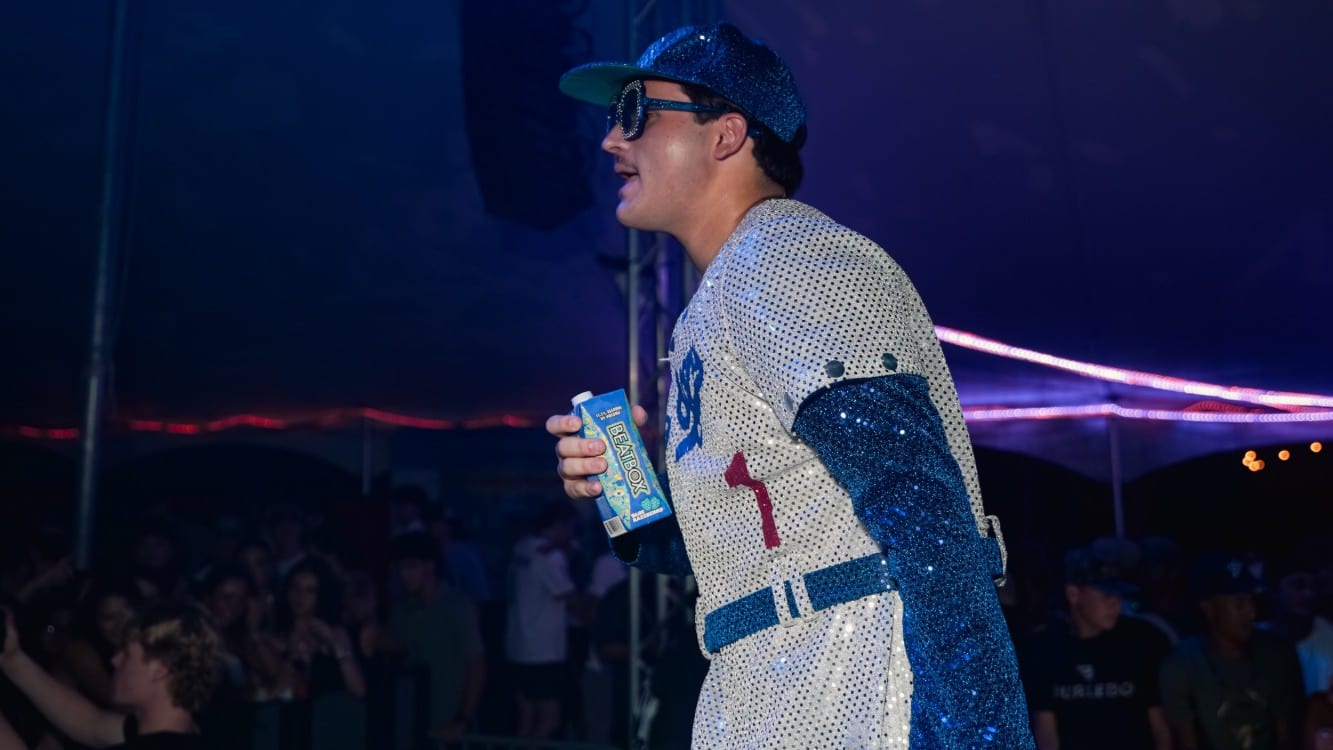
Photo: Collegiate Agency. Photographed at a Collegiate Agency activation.
College tour marketing works when the tour feels like it belongs on campus, not when a brand drops into ten schools with the same table, the same script, and no local context. If you are evaluating a campus tour, you need to know where the brand should show up, who will make students care, what happens before and after each stop, and how the field team will keep the work consistent from school to school.
A strong tour does not have to be massive. It has to be intentional. The best first wave may be four campuses with the right student communities, strong timing, and a real reason to gather. A weak tour can hit more schools and still miss because the activation is not tied to student behavior.
Use this guide to pressure-test a college tour marketing plan before you approve the route, the budget, or the field team.
Pick the tour objective before you pick the schools
Start with the action you want students to take. The objective decides the route, the staffing model, the offer, and the follow-up.
If the goal is product trial, the tour needs a plan for sampling, inventory, storage, handoff, and student feedback. If the goal is event attendance, the tour needs local promotion, RSVP support, hosts, day-of flow, and recap content. If the goal is creator content, the tour needs campus-specific shot lists, creator approvals, posting windows, and brand safety review. If the goal is sign-ups or downloads, the tour needs a clean student offer and a way to capture interest without slowing down the experience.
Do not approve a route until the objective is written in plain language. For example: students at each stop should try the product, understand when they would use it, and opt into the next brand touchpoint. That gives the team a better filter than broad awareness.
This is also where you decide whether the tour is a standalone push or part of a larger campus events plan. A tour stop can be a pop-up, a sponsored nightlife moment, a tailgate-adjacent setup, a residence-hall-adjacent sampling window, or a student organization collaboration. The right format depends on what students are already doing on that campus.
Build the route around fit, timing, and field reality
A campus tour route should be selected like an operating plan, not a wish list. Famous schools are not automatically better schools. The right campus is one where your target student is reachable, the calendar supports the activation, and the local team can execute without forcing the brand into an awkward setting.
Use four filters before adding a school:
- Audience fit: Are the students you need actually concentrated there? Think lifestyle, interests, campus routines, club participation, nightlife behavior, sports culture, wellness habits, or creator activity.
- Timing fit: Does the activation line up with move-in, welcome week, rivalry games, formals, spring events, finals, or other moments when students are open to the brand?
- Access fit: Can the team legally and practically run the activation? Check venue rules, campus policies, product restrictions, permits, photography rules, and delivery logistics.
- Team fit: Is there a student lead, ambassador group, local partner, venue contact, or field manager who can keep the stop from depending on guesswork?
A good first route often clusters campuses by region or student behavior. That makes travel easier and creates cleaner learning. If every stop is completely different, it becomes harder to know whether the concept worked or the route was just inconsistent.
Connect ambassadors, creators, and the live moment
College tour marketing usually fails when the live stop is treated as the whole campaign. Students need to hear about the activation before it arrives, understand why it matters while it is happening, and see the proof afterward.
That is where college brand ambassadors matter. Student reps can invite friends, seed product, post reminders, coordinate with clubs, gather feedback, and help the brand avoid showing up cold. They also give the tour a local voice. A national brand account announcing a campus stop is useful, but a student who is known on that campus can make the invitation feel more real.
Campus creators play a different role. The right campus influencers can turn the stop into content students recognize. They can show the setup, explain the offer, bring friends, create recap posts, and help the campaign travel beyond the people who physically attended. The key is fit. Do not pick creators only because they have followers. Look for audience location, campus relevance, content style, reliability, and whether their usual posts would make the brand feel natural.
The live moment, ambassador work, and creator content should share one simple message. If students hear one thing from reps, see another on social, and experience a third at the event, the tour will feel scattered.
Use this rollout timeline before launch
Here is a practical timeline you can use when comparing agencies or internal plans. Adjust the dates based on permits, product lead times, and school calendars.
| Timing | What should be done | What to confirm |
|---|---|---|
| 6-8 weeks out | Define objective, audience, route criteria, and campus shortlist | Each proposed school has a reason beyond name recognition |
| 4-6 weeks out | Confirm activation format, venues or event partners, staffing needs, product movement, and local restrictions | The team knows where the stop can happen and what rules apply |
| 3-4 weeks out | Recruit ambassadors, identify creators, build campus-specific promotion plans, and prepare briefs | Every local helper has clear tasks and deadlines |
| 1-2 weeks out | Launch RSVP or awareness pushes, ship materials, approve content concepts, and finalize day-of run of show | Students have a reason to attend or participate before the brand arrives |
| Tour week | Run the activation, capture content, collect proof of work, and track issues by campus | Field notes are recorded while they are still fresh |
| 1 week after | Review recaps, content, feedback, cost per useful outcome, and recommendations for the next route | The team can say what to repeat, change, or cut |
This timeline is not about making the process slow. It is about removing avoidable surprises. Campus work has real-world friction: weather, venue changes, delayed shipments, student schedules, local rules, and staff availability. A tour plan should make those risks visible early. For outdoor stops, use the National Weather Service outdoor lightning safety guidance when checking who monitors conditions and where the audience can shelter.
Judge the budget by what actually has to happen
College tour marketing budgets vary because the operating model varies. A simple ambassador-led sampling route has a different cost structure than a produced event tour with venues, DJs, creators, security, photo, and paid media support. Instead of asking for one generic number, break the budget into line items.
Look for these categories:
- Strategy and route planning
- Campus research and local access
- Venue, permit, or partner costs where needed
- Field staff, student reps, and local managers
- Ambassador recruiting, management, and proof of work
- Creator fees and content usage rights
- Product, shipping, storage, and materials
- Production, signage, photo, video, and recap assets
- Travel, contingency, and post-campaign reporting
The cheapest proposal is not always efficient. If it leaves out local staffing, product movement, or content rights, your team may end up paying later in missed execution. The strongest proposal should show what is included, what is optional, what assumptions are being made, and which costs change if the route expands.
Ask the agency what would make the tour not worth running. That answer is important. A serious partner should be willing to say that a campus is wrong, a timeline is too tight, an activation needs a stronger offer, or a route is too thin to justify the spend.
Decide what success looks like after each stop
A college tour should create learning, not just photos. Before the first stop, decide what proof the team needs after each campus. That may include attendance, samples distributed, student questions, content delivered, ambassador tasks completed, creator posts, email or SMS opt-ins, retail feedback, operational issues, and qualitative reactions from students.
Be careful with vague recap language. Words like buzz and excitement are not enough by themselves. You need concrete observations: what students responded to, which message was easiest to explain, which campus communities drove participation, what slowed the line down, what content performed cleanly, and what the next stop should change.
If the first route is built correctly, the post-tour decision should be clear. You should know whether to expand to more campuses, repeat the same format in a tighter region, add more ambassadors, shift toward creators, change the offer, or stop before spending more.
That is the point of college tour marketing. It gives your brand a real campus field test across multiple schools, but only if the tour is planned around student behavior and managed like an operation. If you want help pressure-testing a route, connect the tour strategy to events and sponsorships, student ambassador support, or contact the Collegiate Agency team before the calendar gets crowded.
Planning a campus activation?
Plug into the Night School Tour and our welcome-week network across campus markets. Tell us the goal and we will come back with a plan and firm pricing.
Student, not a brand? Apply to the ambassador network.