HBCU Marketing Agency: How Brands Should Hire One
Hire for historically Black colleges by naming the campuses, the dates, and the one action you want. A general college roster is not an HBCU plan.
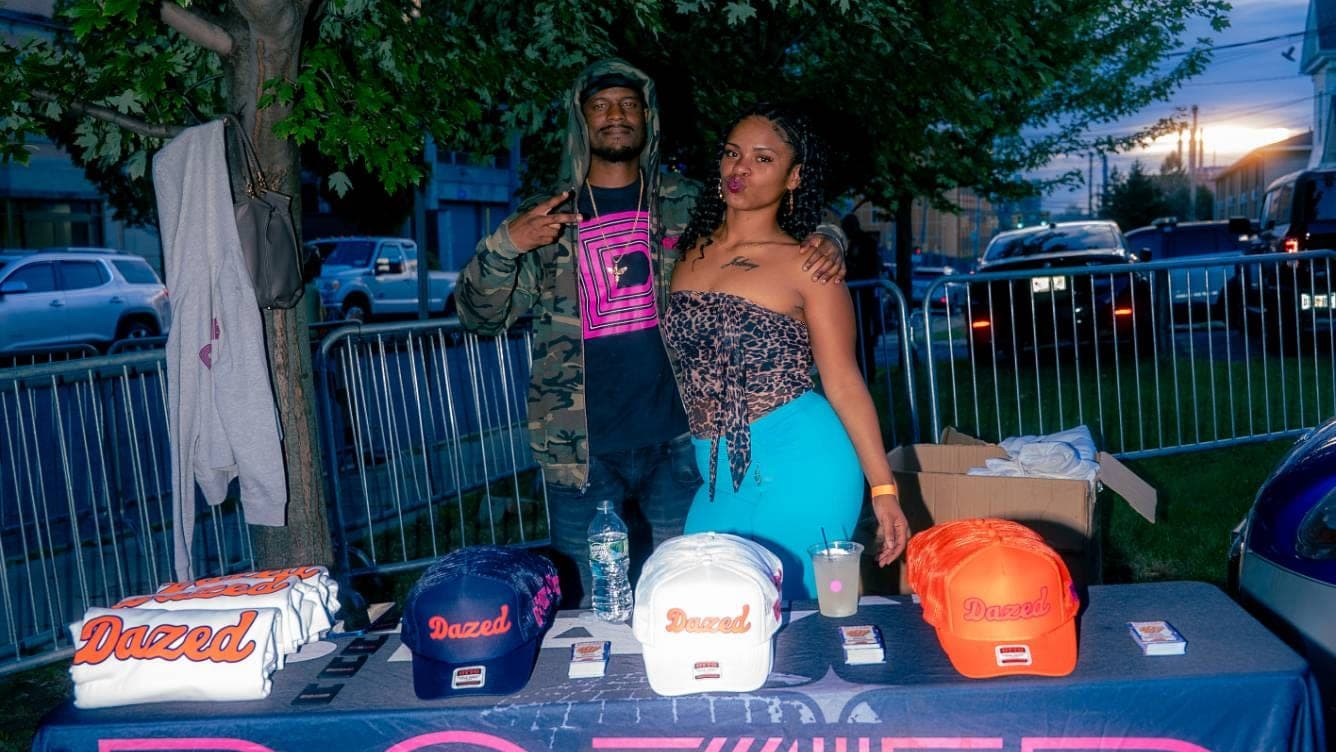
Photo: Collegiate Agency. Photographed at a Collegiate Agency activation.
An HBCU marketing agency is the partner a brand hires to reach students at historically Black colleges and universities, with permission from each campus and a crew that can actually be there. The National Center for Education Statistics, in Fast Facts: Historically Black Colleges and Universities (667), citing the Digest of Education Statistics 2023, reports that in 2022 there were 99 HBCUs in 19 states, the District of Columbia, and the U.S. Virgin Islands. Collegiate Agency's published network is 21 campuses, and that list does not currently include an HBCU, so a brand has to name the schools before anyone can promise a date.
What should an HBCU marketing agency actually be hired to do?
The search phrase covers two different purchases. One is a media plan that targets students who attend HBCUs, bought in an ad account, with no one on the yard. The other is a date on a specific campus: a table, a sampling hour, a step show sponsorship, a yard activation, or a set of posts from students at that school. You can buy both. You should not pay one fee that refuses to say which line is a person on campus.
Collegiate Agency sells the second purchase when the school is one it can staff. Campus events are the staffed date. A brand ambassador program is the managed student execution, priced at $150 per ambassador per month, including two dedicated posts. Those rates are on the pricing page. They are not a promise that every HBCU is already in the roster. If the school you need is outside the published 21, the honest answer is a yes, a no, or a date that has to be built. That answer belongs in the first reply, not in a footnote after the contract is signed.
Use the NCES count as a map of the category, not as your media plan. Ninety-nine institutions is not one audience. A public campus and a private campus do not share a permitting office. A school of a few hundred students and a school of several thousand do not share a staffing plan. The Fast Facts page is the NCES account of how many HBCUs there were in 2022. It is not a list of schools that have approved your brand, and it is not a list of schools Collegiate Agency already covers.
How do you brief a campus that is not on a general roster?
Start with the institution, not the demographic label. Write the school name, the city, and the office or student organization that can approve a brand on that yard. Write the week you want, and the week you will walk away if permission is not in hand. Write the one action you will count: a sample handed to a student, a sign-up, a post, or attendance at a date you sponsored. Pick one. A brief that asks for awareness, trial, and content in the same sentence will get a recap that cannot be checked.
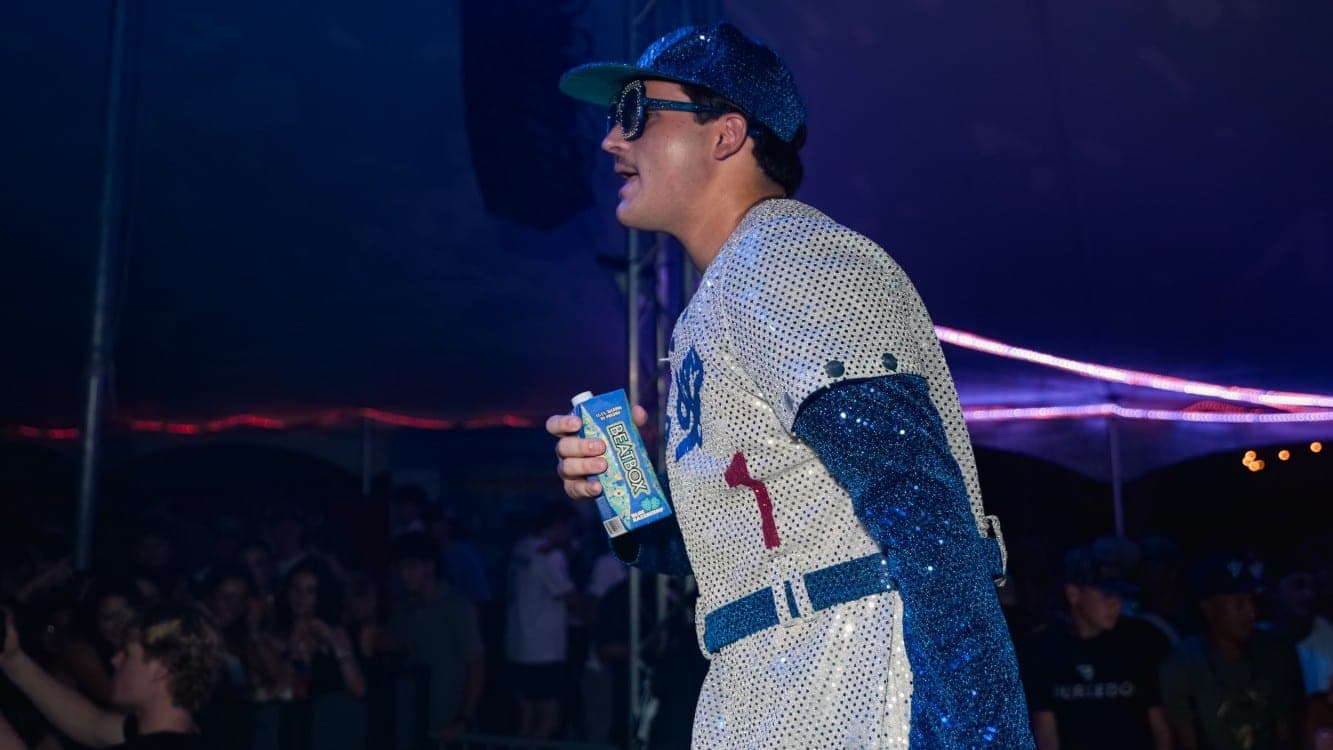
Say what the brand is not allowed to imply. An HBCU is not a backdrop for a general college campaign, and a photo from another campus is not proof that you were on this one. Collegiate Agency will not caption a different school's crowd as an HBCU activation. If the only photographs in the proposal are from a nightlife sampling or a venue show, ask where they were taken before you treat them as evidence of the school you are buying.
| Purchase | What you can check | What it does not prove |
|---|---|---|
| Media buy aimed at HBCU students | Spend, placements, and the audience definition in the ad account | That anyone stood on that campus |
| Staffed date on a named HBCU | The approval, the crew, the date, and the count you defined | Results at a school you did not buy |
| Photo from another activation | What that frame actually shows | That the brand has an HBCU program |
Read the rows before you compare price. A low quote that cannot name a campus is the first row with a campus word pasted on top. A quote that names the school, the approver, and the crew is the second row. A mood board of other schools is the third row.
Planning a campus activation?
Plug into the Night School Tour and our welcome-week network across campus markets. Tell us the goal and we will come back with a plan and firm pricing.
What belongs in the contract, and what should you refuse?
Price the published rates first, then ask for a quote on anything they do not cover. Ambassador work is $150 per ambassador per month. Product placement, where it applies, is $1,500 per sorority (chapter). Event packages run from $500 to $500,000. An HBCU date that needs travel, a new permission, or a crew the current roster does not include is quoted per campaign. Collegiate Agency replies within one business day with a tailored plan and firm pricing after you send the schools and the decision date. It does not publish a national HBCU calendar, because it does not have one.
The contract should say what happens when a campus says no. A refused date is not a reason to move the same fee to a different school without your written approval. It is also not a reason for the agency to keep the fee and send a slide of impressions. Put the refund or the reschedule in the scope before the first call with the campus.
Refuse a proposal that does any of these:
- Says HBCU and never names a campus, a date, or an approver.
- Treats the 99 institutions in the NCES note as one audience you can buy in a single line.
- Uses a photograph from a different school as proof of work on the HBCU you asked for.
- Asks your team to get the campus permission and still charges an execution fee.
- Promises enrollment, donation, or cultural results it cannot define before the date.
Collegiate Agency will mark each of those rows included, excluded, or unknown. A blank cell is a reason to wait.
How should the work show up on the yard?
The date has to fit the campus that approved it. A sampling table, a yard setup, and a hosted hour are different jobs, and the student organization that invited the brand is not the brand's staff. Do not write a caption or a recap that turns attendees into employees. Do not rename a step show, a homecoming, or a concert as if the brand produced the tradition. The brand is a guest with a defined role.

If students post about the brand, the posts need a clear disclosure when the connection would not be obvious. Put that requirement in the brief for the crew, and keep the claim language inside what your counsel has approved. Collegiate Agency runs the handoff you approve. It does not replace your legal review, and it does not invent a result for a school it has not worked.
Ask for a recap that a person who was not there can read. The school, the date, the approval, the crew, the number of samples or posts you defined, and the photographs from that day. A recap that could describe any college in the country is not an HBCU recap.
What do you send when you are ready to hire?
Send a one-page brief, not a tour of the category. Collegiate Agency can answer a specific school list. It cannot answer "HBCUs" as if that were a single market with a single permit.
- The HBCUs you want, with city and the office or organization that can approve a brand.
- The week of the date, and the week you will stop if permission is missing.
- The one action you will count, and who records it.
- Whether you also want paid media, and who owns that account.
- The claims and the disclosure language your counsel has already marked.
- The decision date, and who can sign.
When that page is ready, contact Collegiate Agency with the schools and the week. The reply is a yes, a no, or a quote for the dates that can be staffed. A general college roster is not a substitute for that answer. If you are still choosing what kind of partner to hire at all, the college marketing agency guide is the comparison. This page is the HBCU question that guide does not answer.
Questions brands ask
What does an HBCU marketing agency do?
- An HBCU marketing agency is the partner a brand hires to reach students at historically Black colleges and universities. The work is permission, a date, a crew, and one offer on that campus. Collegiate Agency publishes a network of 21 campuses and does not currently list an HBCU on it. Send the school names, and Collegiate Agency will say which dates it can staff and which it cannot.
How is an HBCU brief different from a general college brief?
- A general college brief can point at a large state school and assume a fall football calendar. An HBCU brief has to name the institution, the student organization or office that can approve the date, and the tradition the brand is walking into. Collegiate Agency will not paste a state-school activation onto an HBCU and call it the same job. The permission path and the calendar are part of the scope.
What should a brand ask before hiring for an HBCU?
- Ask which HBCUs the agency has permission to work on this semester, who signs the campus approval, and what happens to the fee if the campus says no. Ask for the crew, the date, and the one action you will count. Collegiate Agency answers those questions from the schools you name. A deck that says HBCU and never names a campus is not a proposal.
What does Collegiate Agency charge for campus work?
- Collegiate Agency publishes $150 per ambassador per month, product placement at $1,500 per sorority (chapter), and event packages from $500 to $500,000. A brief those rates do not cover is quoted per campaign. Collegiate Agency replies within one business day with a tailored plan and firm pricing after you send the campuses and the date. The published network is 21 campuses. An HBCU outside that list is a separate yes or no.
Planning a campus activation?
Plug into the Night School Tour and our welcome-week network across campus markets. Tell us the goal and we will come back with a plan and firm pricing.
Student, not a brand? Apply to the ambassador network.