College Creator Marketing Agency: A Hiring Guide for Brands
Hire creators by school, brief, and disclosure. A follower count is not a campus, and a post is not a staffed date unless you bought both.
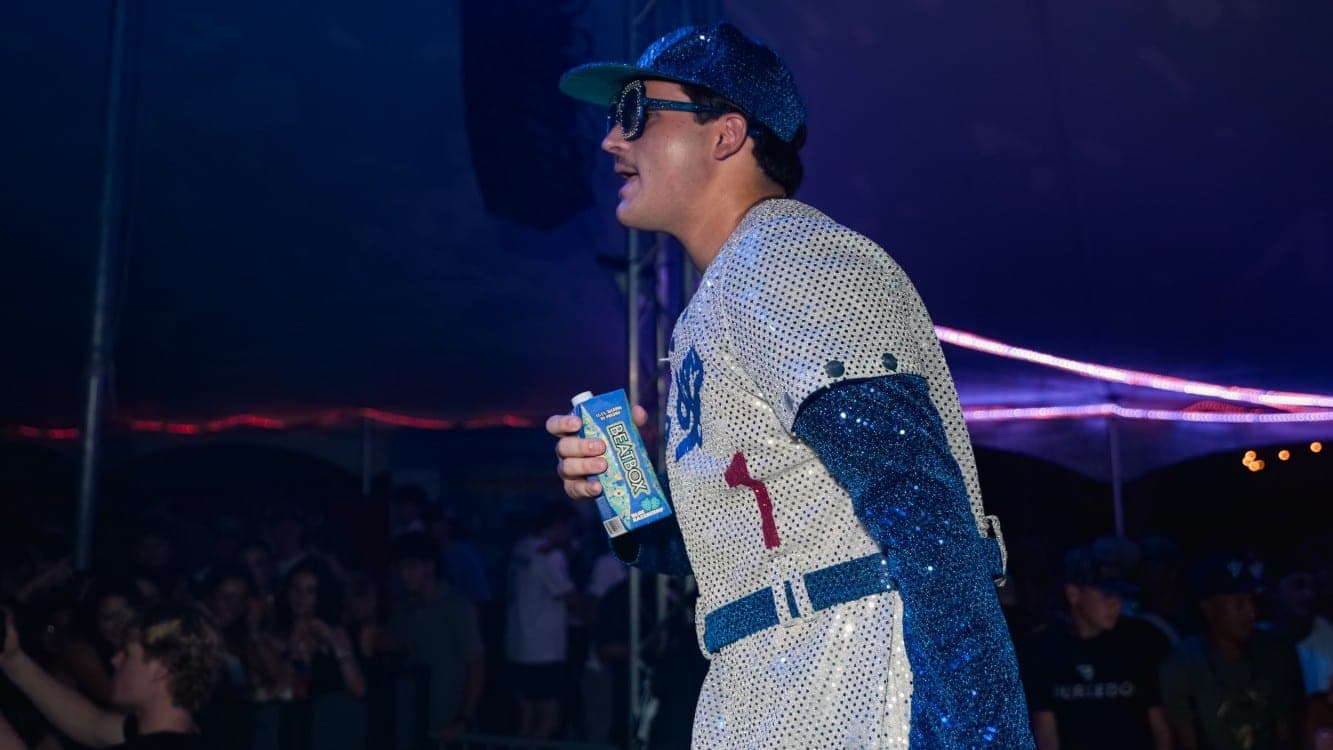
Photo: Collegiate Agency. Photographed at a Collegiate Agency activation.
A college creator marketing agency is the partner a brand hires to brief student creators on named campuses, with a disclosure a viewer can see and a limit on where the posts may be reused. Follower count is not a campus. Collegiate Agency runs the managed version of this work as a brand ambassador program.
The build guide is the campus influencers article. This page is the contract: who is hired, what they may say, and what you are not buying. Read the guide when you are designing the program. Read this page when you are signing for a month of posts.
What are you hiring, and what are you leaving out?
You are hiring a brief and a check. The brief says the school, the product, the claims, the disclosure, the number of posts, and the dates those posts may stay up. The check confirms the posts went live with that disclosure and did not add a claim you did not approve. You are not hiring a guarantee that students will like the product. You are not hiring the right to drop those posts into a national ad account unless the usage terms say so.
The brand ambassador program is $150 per ambassador per month, including two dedicated posts with links and brand tags. Localized paid media is an add-on, not a silent part of that rate. If you also want a staffed hour, campus events are a separate line, from $500 to $500,000. Both are on the pricing page. A proposal that says "creators plus an activation" and shows one number has hidden one of the lines. Ask which one.
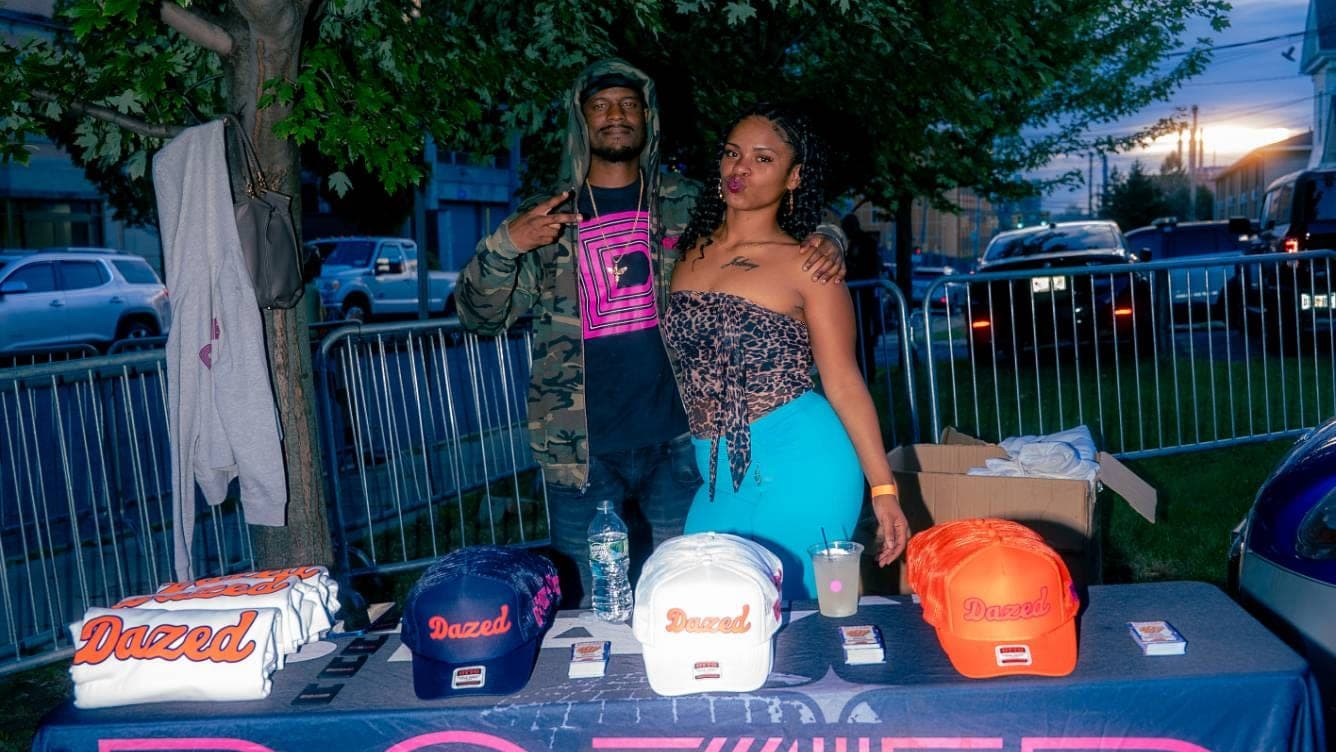
That table is a staffed setup from an activation, not a creator's bedroom and not a content studio. Use it in a creator program only when the creators are tied to a real date with a real table. If the scope is posts alone, do not illustrate the sale with a merch table and imply the posts included an event. Collegiate Agency will match the photo to the line you bought.
What does the FTC page change in the brief?
The Federal Trade Commission publishes Disclosures 101 for Social Media Influencers. The page tells people who endorse a brand on social media to disclose a material connection, including payment or free product, when viewers would not already expect that connection. A disclosure has to be hard to miss. It is not a legal opinion about your specific post, and it is not a safe harbor. Put a plain disclosure in the brief, in the language the post will use, and tell the creator where it has to sit. Collegiate Agency checks that the live post matches the brief. Your counsel still owns the claim.
Do not ask a student to hide the relationship inside a joke. Do not accept a disclosure that appears only after the viewer taps more, if the FTC page says the connection has to be clear up front. If you are unsure, cut the line rather than ship a post your review has not read.
| Purchase | What is delivered | What is not included |
|---|---|---|
| Creator posts on named campuses | The posts in the brief, with disclosure | A tent, unless you buy an event |
| Staffed campus event | The date, the crew, the count | A month of posts, unless you buy them |
| Paid reuse of a student's content | Only the placements and the term you wrote | The right to keep using the face after the term |
The third row is where brands get careless. A post made for a campus story is not a permanent ad. Write the weeks, the channels, and the brands. When the term ends, the file comes down. Collegiate Agency will not assume a student agreed to national ads because they agreed to two posts.
Want ambassadors on your campuses?
We screen, verify and manage campus ambassadors, so brands get reliable representation rather than a gamble. Price a program in about a minute.
Who counts as a campus creator?
A creator for this contract is a student you can place on a campus you named, speaking to people on that campus. An account with a college-aged audience and no tie to the school is a different buy. It can be useful. It is not this line. Ask for the school, not the vibe.
The person on a stage in the hero photograph is a performer at a live event Collegiate Agency photographed. He is not a creator in this program, not a client, and not someone the site will name. Do not brief creators to imitate a performer you have not hired, and do not use his image as if he posted for the brand. The hero shows a live room. The posts you buy are a separate deliverable.

If a creator was supposed to capture that kind of moment, the recap should include the post, the disclosure, and the campus. A photograph the agency already had in its library is not a creator's deliverable. Label archive frames as archive frames.
What do you send before anyone posts?
Send the schools, the number of creators, the number of posts, the claims, the disclosure sentence, and the usage term. Put it on one sheet:
- Schools, creator count, and post count.
- The claims, and the sentences that are off limits.
- The disclosure, and where it has to sit in the post.
- The usage term, the channels, and the end date.
- Whether an event is a separate line.
- Who reviews the live post, and how fast.
Send the schools, the number of creators, the number of posts, the claims, the disclosure sentence, and the usage term. Say whether an event is in the same buy. Say what the creator may not mention. Say who reviews the post before it goes up, and how fast that review has to answer so a campus date is not waiting on a Slack message.
Refuse a roster that is only follower counts. Refuse "whitelisting" or spark ads or any paid boost that is not a priced add-on with an end date. Refuse a case study that shows someone else's engagement rate as your forecast.
Contact Collegiate Agency with the schools and the month you want the posts to run. The reply, within one business day, is a tailored plan and firm pricing against the published ambassador rate, plus a separate event quote if you asked for a date. Creators are a brief. The brief should be short enough to hand to a student and specific enough that you can tell a live post from a post that missed it.
Review the live post, not the draft you liked in a deck. A disclosure that was in the caption during approval and missing on the live story did not ship. Collegiate Agency's check is against the live URL or the live file, with the date it was seen. If a post has to come down, the brief should say who tells the creator and how fast. A month-long usage term does not keep a post up after you have asked for it to be removed.
Pay for the posts you receive. Do not pay a second time, inside a "content seeding" line, for the same file unless the new line names a new placement and a new end date. The student's name, face, and campus should appear in the recap the way the brief allowed, and nowhere else. When the term ends, ask for the list of places the file still appears. A creator program is finished when that list is empty or is limited to the archive you agreed to keep.
Questions brands ask
What does a college creator marketing agency do?
- A college creator marketing agency hires and briefs student creators for the campuses a brand names, and it checks that paid or gifted posts disclose the connection. Collegiate Agency runs that work through its brand ambassador program at $150 per ambassador per month, including two posts. A creator with no campus in the brief is a media buy. This page is the campus version of the hire.
How is a creator program different from a staffed event?
- A post can run without a date. A date can run without a post. Collegiate Agency prices events separately, from $500 to $500,000, when you want both. Do not pay a creator fee and expect a tent, and do not pay an event fee and expect a month of posts. The campus influencers guide covers how a program is built. This page covers what the contract should name.
What disclosure belongs in a creator brief?
- The FTC's Disclosures 101 for Social Media Influencers tells endorsers to make the connection obvious when viewers would not expect it. Collegiate Agency puts that requirement in the brief next to the claims your counsel approved. A disclosure in a later comment, or in a language the viewer will not notice, is not the standard the brief should use. The agency does not replace your legal review.
What should a brand refuse in a creator proposal?
- Refuse a list of follower counts with no school names. Refuse a promise that creators will "sound authentic" with no approved claims and no disclosure. Refuse the right to use a student's face in paid ads unless the brief says where, how long, and for which brand. Collegiate Agency replies within one business day with firm pricing. Usage you did not write down is not included.
Want ambassadors on your campuses?
We screen, verify and manage campus ambassadors, so brands get reliable representation rather than a gamble. Price a program in about a minute.
Student, not a brand? Apply to the ambassador network.