College Tailgate Marketing Agency: A Hiring Guide
Hire a partner for a game-day tailgate with a named permit path, lot rules, a staffed shift, a weather call, and a recap your team can audit.
By Collegiate Agency
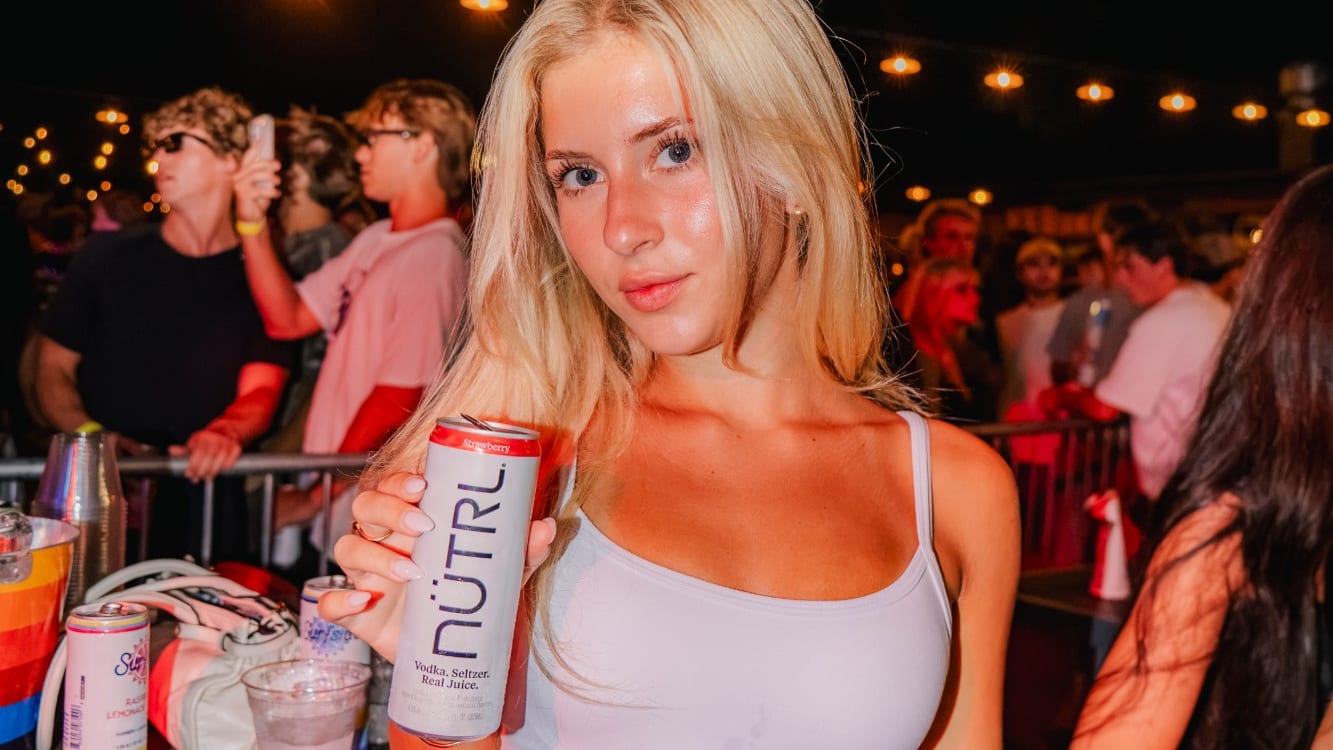
Photo: Collegiate Agency. Photographed at a Collegiate Agency activation.
A college tailgate marketing agency is the partner you hire when the brand must appear in a game-day lot, a campus green, or a stadium-adjacent gathering with staff, product, and permission already sorted. A media buy purchases a placement. This purchase is a place, a kickoff window, a crew, and a record of what occurred.
College football tailgate marketing is narrower than a campus tour. The ground may belong to a university, a parking operator, athletics, or a multimedia rights holder. Name the game and the ground before the headcount. Limit the first buy to one home date or a short run you can supervise. A bowl and next season need their own approval.
Buy a game-day presence with a named job
Pick one primary action: trial, a sign-up, a retail handoff, a hosted conversation, or content you may reuse. The tent, the staffing, and the recap should all serve that action. "Awareness" alone leaves the work unscoped.
Hours follow kickoff, so put rain, a delay, and a closed lot in the brief before anyone prices a custom build. Hold the first contract to one format, a short game list, and a defined date range. Price extra cities, build days, paid amplification, and unscheduled drops outside the core fee.
If the tailgate sits inside a wider campus program, use the campus brand activation agency checklist for school selection, proof, and risk. If you are buying a logo inside someone else's event, read the college event sponsorship guide before you treat that package as your own lot.
Map the permit, the lot, and the rights holder
A tent sketch is permission only after someone with authority says so. A university green, a private operator's lot, and a student-organization gathering can look alike in a deck and follow different rules. Ask which ground the quote uses, who approves it, what the approval covers, and the last date it can fall through. The two policies below are a question list, not a national code.
The University of Arkansas tailgating and game day outdoor use policy, revised September 8, 2025, requires prior university and Learfield approval when a corporate tailgate displays business signage, banners, or marketing items, or charges participants. Signage on tents or wrapped vehicles, and distribution of commercial materials, also needs prior Arkansas Athletics approval. Learfield holds the multimedia rights to game day signage, so display requires both a corporate partnership with University Athletics and Learfield and prior approval. Tents over 10 by 10 feet need written permission from Facilities Management or the Athletics Marketing Office. Tents must be weighted rather than staked, and they may not take another fan's space or block a lane. A commercial tent needs Athletics and Learfield approval. Food and beverage sales are prohibited, as is public display or consumption of alcohol outside designated areas.
The USC tailgating policy covers University Park on a football game day and does not govern the Coliseum. Every tailgate needs a permit, and individuals must register at least three weeks prior to avoid late fees. Only a University-Sponsored tailgate may sell admission or products, including food, beverages, alcohol, tickets, and merchandise, and that sale also needs a university event permit. Commercial names on signage or tents are prohibited, and so is tailgating in parking lots or structures. Alcohol service must follow university guidelines.
Ask for that map in every market: who files, who signs, whether a rights holder is in the deal, lot-operator limits, tent and power rules, insurance, and load-in. A student contact is not that signature. When the plan uses an audience that already exists, read the campus event production scope beside the tailgate fee. Storage, power, sampling rights, and photo permission stay separate lines.
Separate sampling from alcohol-adjacent advertising
Stadium-lot sampling needs a product path and a permission path. Record units shipped, received, handed out, wasted, and returned, and note where a queue could block a lane. Your compliance team sets age, temperature, and handling limits. The agency runs that handoff. For trial away from the lot, use the on-campus product sampling guide. Campus product placement is a separate custody chain, so keep those counts apart.
Ask whether anyone may serve, sample, or display alcohol on that ground. The two policies above differ, and a state agency, a concessionaire, or a bowl operator may require a license holder you do not control. Name that party before you ship.
If the brand is an alcohol industry member, treat posts as ads. TTB Industry Circular 2024-1 says Federal Alcohol Administration Act advertising rules in 27 CFR parts 4, 5, and 7 apply in any media, including social media. It is voluntary-compliance guidance, and TTB reviews ads case by case. Influencer posts paid with money or free product must comply when an industry member uses them to induce interstate or foreign sales. Malt-beverage ads are covered to the extent state law imposes similar requirements. The circular does not authorize a pour. Counsel approves the plan, and the agency runs it.
Staff the shift and write the weather call
Name one ordinary failure, such as a late truck, wind on a tent, or a lot that opens late. The proposal should say who decides, which backup is pre-approved, and how you are told.
Buy roles for receiving, the line, the explanation, and a supervisor who can pause the shift. Use the campus event staffing agency guide for one designed shift. Use managed brand ambassador support when the same trained students cover several home dates. Price those as two scopes when you need both.
Write who may stop or move the activation, any covered backup, and what happens to perishable product if the lot closes while the game is still played. Ask whether the permit and the reservation survive a reschedule.
A bowl is often another city, another operator, and another rights holder. Regular-season approval carries forward only when the new document says so. Add the next date only after the recap is complete and your economics justify it.
Score proposals on work you can audit
Send every agency the same brief. This table is a buying aid for the work you can check. It does not forecast attendance or sales.
| Work | Agency should handle | Brand owns |
|---|---|---|
| Permission | Filing, the named approver, and the deadline | Whether to proceed if approval is refused |
| Lot | Which ground, whose rules, and the load-in window | Category limits and fees you will not pay |
| Staffing | Roles, the supervisor, and a backup for a missing role | Who may approve extra hours |
| Product | Receiving, handoff, waste, and return counts | What may be sampled, and any age or handling limit |
| Weather | The pre-approved backup and who calls the change | Whether a moved date still meets the goal |
| Closeout | Recap date, definitions, and exceptions | Which count is enough to book the next game |
Lock the same rows before you sign:
- Confirm which costs are fixed, estimated, or passed through.
- Set the deadline for permission, creative, and freight.
- Name what moves, shrinks, or cancels the activation.
- Define the guest action in one sentence the crew can apply.
- State whether a bowl or next season is inside this contract.
Have each agency mark every row included, excluded, or unknown, and clear unknowns before signature. The agency can commit to the setup, the roles, the hours, and your definitions. Count a conversation, a sample, and a unique person separately, and label estimates.
Questions brands ask before hiring
What does a college tailgate marketing agency do?
It plans and staffs a brand presence at a game-day tailgate or stadium-adjacent gathering, then delivers the records you named: permission, the lot, roles, product count, and exceptions. Measure trial if you defined it. Leave sales out of the guarantee.
How is a tailgate hire different from a campus activation?
A campus activation can be a table, a pop-up, or a hosted event on the school calendar. A tailgate hire is tied to one game and to whoever controls that ground, such as a parking operator or a rights holder. The permit, the hours, and the recap stay separate even when one company sells both.
Who has to approve a commercial tailgate?
No single office approves every school. Arkansas requires university and Learfield approval for a commercial tailgate with business signage or a guest charge, and Athletics plus Learfield approval for a commercial tent. On USC's University Park Campus, every tailgate needs a permit, parking-lot tailgating and commercial names on signage or tents are prohibited, and product sales are limited to University-Sponsored tailgates with an event permit. Get that date's approver in writing.
Can a brand sample or serve alcohol at a college tailgate?
Only when the ground's controller and any required license holder allow it that day. Arkansas limits public alcohol to designated areas and prohibits tailgate food and beverage sales. USC limits alcohol sales to University-Sponsored tailgates. Social posts an alcohol industry member causes fall under TTB Industry Circular 2024-1, including paid or gifted influencer posts. That guidance covers advertising. Sampling still needs its own permission.
When should a brand book a football tailgate?
Start from the permission deadline, the freight date, and the staffing confirm, then add your review time. USC requires registration at least three weeks before game day to avoid late fees, and that interval is one campus only. A rights-holder negotiation can take longer. A bowl and next season stay new approvals unless the written permission carries them forward.
What belongs in the recap?
Include the date, game, hours, roles, product in and out, the guest action you defined, exceptions such as weather or a refused spot, and which photos you may reuse. Mark estimates. Keep a greeting and a sample as separate counts.
When you want the first game scoped to a real brief, send Collegiate Agency the games, the product limits, and the decision date. A tighter brief makes two proposals comparable.
Planning a campus activation?
Plug into the Night School Tour and our welcome-week network across campus markets. Tell us the goal and we will come back with a plan and firm pricing.
Student, not a brand? Apply to the ambassador network.