Gen Z Experiential Marketing: A Campus Playbook for Brands
Gen Z remembers what they take part in, not what they scroll past. Here is how to design campus experiences that earn attention, trial, and content worth sharing.
By Collegiate Agency
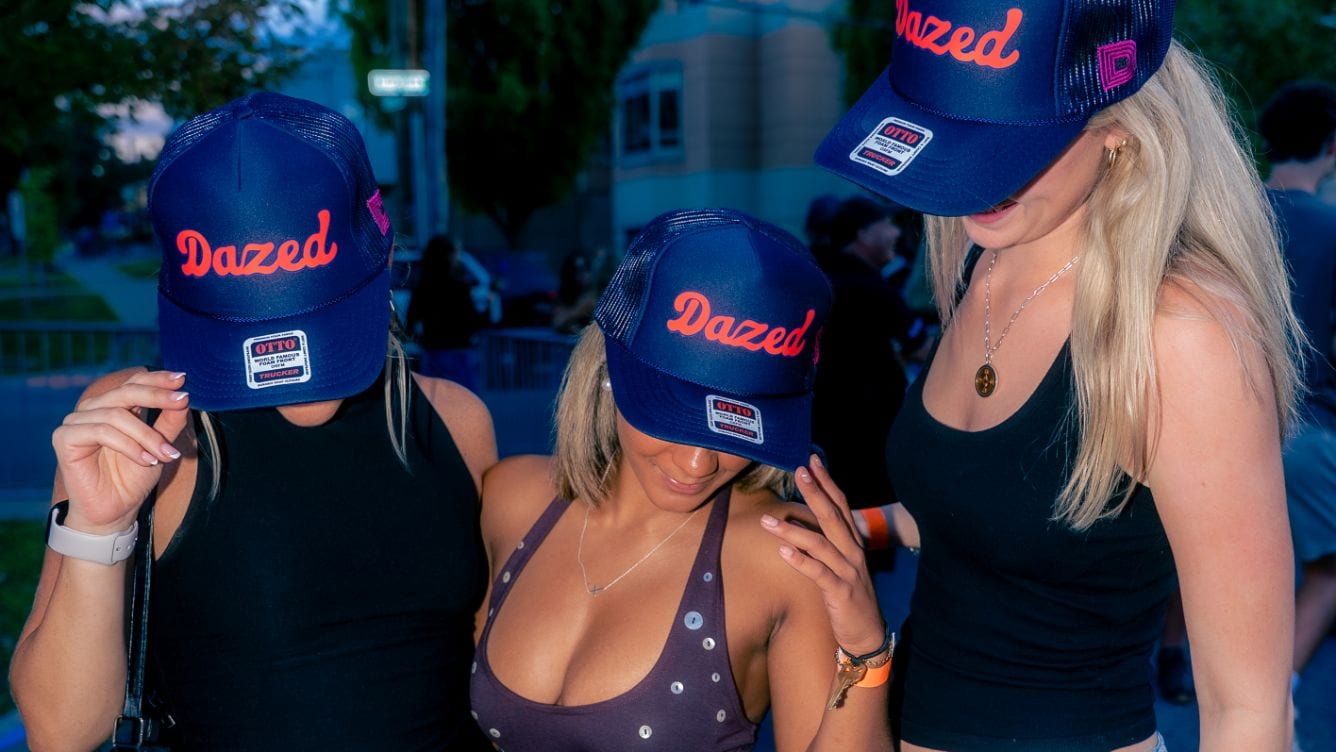
Photo: Collegiate Agency. Photographed at a Collegiate Agency activation.
Gen Z college students grew up with brands trying to reach them through screens. They can spot a paid post, skip an ad, and mute a feed without a second thought. What they cannot ignore as easily is something happening in front of them — a line of people trying a product, a booth handing out something worth carrying across campus, a moment their friends are already talking about. That gap between a passive impression and a lived experience is the reason experiential marketing keeps earning a place in campus plans.
If you are a brand marketer weighing an experiential program, the promise is simple to state and hard to execute. You want students to take part in something, not just see it, because participation creates memory, trial, and content in a way a served impression rarely does. The catch is that a campus experience only works if it is designed around a specific action and measured against real inputs, not a vague sense that the day "felt busy."
This playbook walks through how to plan Gen Z experiential marketing on campus: why experiences beat passive reach for this audience, which campus moments are worth showing up for, how to design an experience with a clear action, how to staff and run it, how to turn the moment into content, and how to measure what actually happened.
Why experiences beat passive impressions for Gen Z
An impression asks nothing of a student. It arrives, it competes with everything else on the screen, and it disappears. An experience asks a student to do something — taste, try, play, scan, sign up, take a photo — and that small act of participation is what makes the brand stick. When someone has physically interacted with your product, they have a reference point that an ad cannot manufacture.
Campus experiences also travel. A student who tries something they like tells the people they walk to class with, sit next to in the dining hall, and text in a group chat. That peer signal carries more weight with Gen Z than a brand talking about itself. The experience becomes the reason for the conversation, and the conversation does the persuading.
There is a practical benefit too. Experiences generate their own content. A well-designed activation gives students something worth filming and gives your team photos and clips to use afterward. You are not only buying attention on the day; you are producing raw material that keeps working after the tent comes down. That is why an experience often does the job of several passive placements at once — as long as it is built around a clear action.
Choose the right campus moments
Timing decides half the outcome. The same activation that thrives during one week will be ignored during another, because students move through the academic year in predictable rhythms. Show up when attention and free time already exist, not when you are competing with exams or an empty campus.
A few moments consistently reward experiential programs:
- Welcome week and move-in. New students are forming habits and are unusually open to trying things. Foot traffic is dense and routines are not yet fixed, which makes trial easier.
- Tailgates and game days. High energy, groups of friends together, and a social mood that suits sampling, photo moments, and giveaways. Access and rules vary by school, so confirm early.
- Campus festivals and concerts. Students arrive expecting to participate, which lowers the barrier to engaging with a brand experience. These pair well with a sponsorship footprint — see our note on college festival sponsorship.
- Finals and high-stress stretches. A different kind of moment. Comfort-driven offers — snacks, coffee, study fuel, small breaks — can land well when students are stretched thin, if the tone is genuinely helpful rather than promotional.
The wrong moments are just as important to name. Reading days, breaks, and dead weeks put you in front of a thin, distracted crowd. Before you lock a date, check the academic calendar, the sports schedule, and any competing campus events, and make sure the moment you picked actually matches the behavior you want.
Design the experience around one clear action
The most common mistake in campus events is building an experience that looks good but asks for nothing specific. Students walk up, look, and leave, because there is no obvious next step. Start from the opposite end: decide the single action you want a student to take, then design everything to make that action easy.
Name the action in plain terms. Do you want a student to taste the product, scan a code, sign up with an email, download an app, enter a giveaway, or film a short clip? Pick one primary action. You can layer a secondary ask, but the experience should be unmistakably built around the first.
Then remove friction from that action. If the action is a scan, the code should be large, well-placed, and fast to load. If it is a sample, the handoff should be quick and the reason to try it clear. If it is a sign-up, ask for the minimum and give an honest reason to bother. Every extra step you add is a place students drop off. The NIST guidance on collecting only the information you need is a useful check on the form fields and retention plan, not just the length of the queue.
Give students a reason to act now rather than later. A sample in hand, an offer that expires, a giveaway entry, a photo moment worth sharing — these create momentum. The offer does not need to be expensive. It needs to feel worth the ten seconds you are asking for. For more inspiration on formats that hold up on campus, see campus activation ideas.
Staff and run it like an operation
A strong concept fails without execution. The day itself is a logistics problem, and the people running it determine whether students engage or walk past. Treat staffing and run-of-show as core to the plan, not an afterthought.
Your best on-the-ground asset is usually student staff. Brand ambassadors who go to the school know where the foot traffic is, how to talk to their peers without sounding scripted, and how to pull a hesitant student into the experience. Brief them clearly: the one action you want, the talking points, what to do when someone has a question, and what to capture. Give them proof-of-work expectations so you know what happened at each shift.
Build a run of show that covers setup, staffing shifts, product handling, restocking, teardown, and who owns each. Confirm the practical details early — power, placement, permits, weather backup, storage, and how product gets to and from the site. These are the things that quietly sink activations when they are left vague. A simple checklist the day-of team can follow prevents most of it.
Plan for the flow of a real crowd. Where does the line form? Who greets, who runs the action, who captures content, who handles overflow? When the moment is busy, roles keep it from turning into a bottleneck that costs you the students you worked to attract.
Turn the moment into content
An experience reaches the students who were there. Content is how it reaches everyone else. Plan the content capture before the day, not as something you scramble for once the crowd shows up.
Decide in advance what you want to walk away with: photos of real students engaging, short vertical clips, a few candid reactions, and clean shots of the product and setup. Assign someone to capture it so it does not fall to whoever happens to be free. Get the permissions you need to use student likenesses, and keep the capture light enough that it does not interrupt the experience itself.
Campus influencers extend the moment into student feeds. A creator who actually attends the school can announce the activation beforehand, show up on the day, and post afterward in a voice that reads as native rather than sponsored. Vet them for school fit, audience location, reliability, and clear disclosure. The goal is content that looks like it belongs in a student's feed, because that is what gets watched.
Remember that students make content too. If the experience is genuinely worth filming, some of your best material will come from attendees. A photo-worthy setup or a shareable moment turns participants into a distribution channel — one that reads as more credible than anything you produce yourself.
Measure what actually happened
Experiential programs get dismissed when they are reported as "buzz." Buzz is not a result. Decide before the activation what you will count, then capture those inputs honestly and report them plainly. Use a checklist so nothing gets left to memory:
- Sampling counts — how many units were handed out or tried.
- Scans and code redemptions — QR scans, offer codes, or links tied to the activation.
- Sign-ups — emails, app installs, giveaway entries, or accounts created on-site.
- Photos and clips — usable content captured by your team and by attendees.
- Creator posts — pieces published, plus notes on which ones performed and why.
- Field notes — what students asked, what slowed the team down, which messages landed, and what to change next time.
These inputs give you a factual account of the day and a basis for the next decision. They also keep the team honest: a busy-feeling activation that produced few sign-ups and little usable content is telling you something, and it is better to learn it than to gloss over it.
Sort the outcome into a next move. Repeat the market because the behavior was strong and execution can sharpen. Expand to similar campuses because the model looks repeatable. Adjust the action or offer because the fit was right but the ask was wrong. Or stop, because the moment or audience did not justify more spend. That discipline is what separates a program from a one-off stunt.
Gen Z will give a brand their attention when the brand gives them something worth taking part in. The work is in the design — a specific action, the right moment, staff who can carry it, content planned in advance, and measurement built on real inputs instead of atmosphere. Get those pieces right and a single campus experience can drive trial, produce content, and earn the peer conversation that makes the next one easier. When you are ready to build one, review our events, brand ambassador, and campus influencer programs, or send the brief here and we will help shape the first activation.
Planning a campus activation?
Plug into the Night School Tour and our welcome-week network across campus markets. Tell us the goal and we will come back with a plan and firm pricing.
Student, not a brand? Apply to the ambassador network.