College Marketing for Restaurant Brands: Permits, Codes, and Dining
A restaurant brand should require a dining yes, a coupon it already tracks, and the city's food permit before it signs a campus partner. The hour, the placement, and the posts are separate lines.
Founder, Collegiate Agency
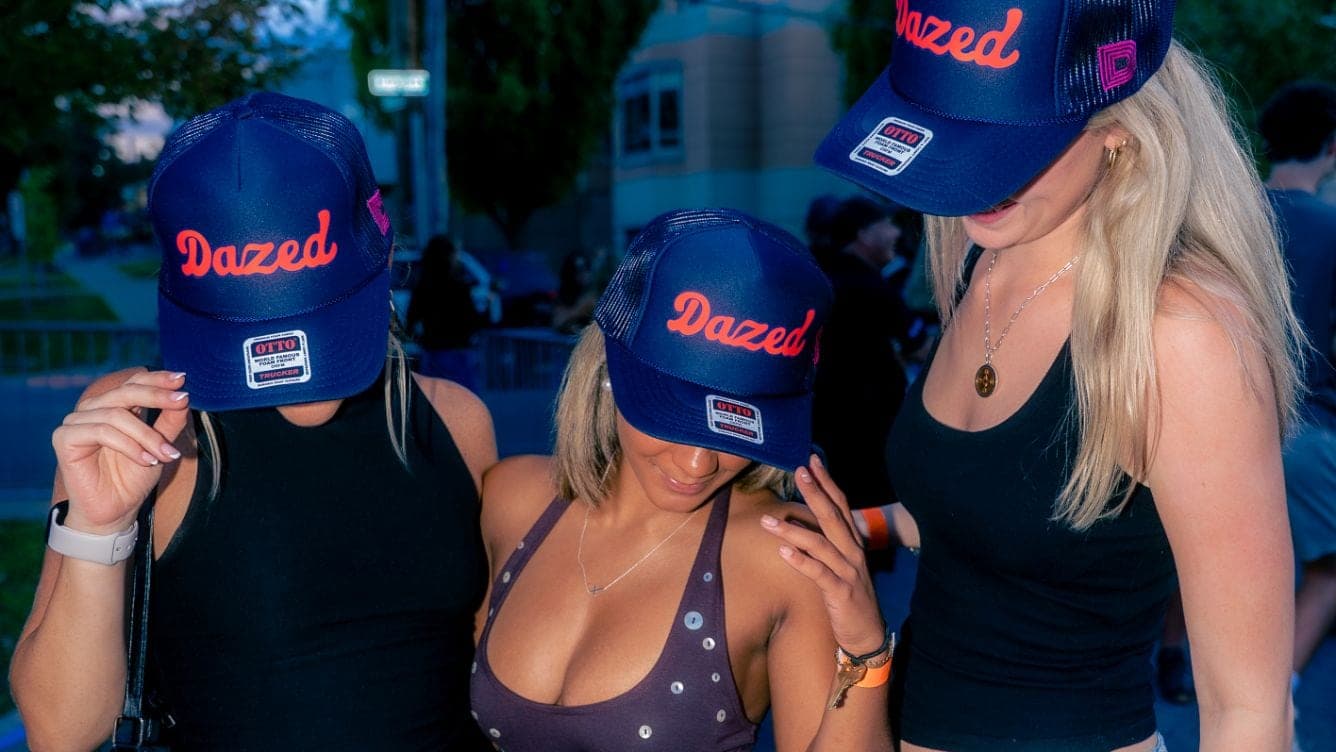
Photo: Collegiate Agency. Photographed at a Collegiate Agency activation.
College marketing for restaurant brands is the hire a QSR, a fast-casual chain, a food-delivery app, or a restaurant group makes when the campus partner must show a written dining yes, a coupon the brand already tracks, and the food permit for that city. A sample inside a dining hall is not the same buy as a code for an off-campus order or a line outside a new store. Collegiate Agency prices a staffed hour, Greek-life placement, and a month of posts as separate lines, and it does not publish a redemption forecast.
The contract for handing out product is the campus product sampling agency guide. The contract for a tent, a cart, or a short install on the quad is the campus pop-up activation guide. A drink brand that is not selling a restaurant meal follows the college marketing for beverage brands guide. A game-day lot follows the college tailgate marketing guide. This page adds the restaurant rules those guides do not cover: who may serve food on campus, which tender the register accepts, how a delivery zone is named, and which permit covers a sample.
Campus events are the staffed hour, in packages from $500 to $500,000. Product placement is $1,500 per sorority (chapter). The brand ambassador program is $150 per ambassador per month, with two dedicated posts, flyers or videos, that include links and brand tags. Those three lines are on the pricing page.
The published network is 2,000 student ambassadors on 21 campuses. A school outside that list needs its own yes. Collegiate Agency is based in New York, replies within one business day with a tailored plan and firm pricing, and publishes 7 days from a signed statement of work to boots on the ground. Collegiate Agency does not publish a fixed number of weeks from the reply to event day.
What should a restaurant brand require before it hires?
The hero photograph shows three attendees wearing branded Dazed hats at an outdoor activation Collegiate Agency photographed. They are guests, and the hats are merch, not a food sample.
Send one sheet before you sign.
- Name the offer: a QSR meal, a fast-casual order, a delivery promotion, or a store opening.
- Name the campuses, and whether each one is inside the published network of 21.
- Name the action you will count, and the code your own system already reads.
- Name who on your side approves a dining-hall yes, a city food permit, and a live post.
A student does not post, and a table does not open, until that person has approved the sheet and the disclosure sentence.
| Tactic | Permission to have on file | What to count |
|---|---|---|
| Dining-hall sample | The dining operator's written yes, and the city's food permit | Portions handed out at that campus |
| Delivery offer | The zone the app already uses, and one code per campus | Redemptions that code already shows |
| Store opening near campus | The city permit, plus the school permit if the line uses school property | Codes redeemed, with the permit on file |
| Paid student post | The disclosure sentence where a viewer cannot miss it | Live posts that show the sentence |
A code with no campus on it cannot later tell you which school moved.
What does a campus dining hall change?
Campus dining is an operator's building, not a public sidewalk. Ask that campus, in writing, who runs the halls and whether an outside restaurant may sample, sell, or set up a station inside them. Do not assume a national dining contract covers the school you want.
Keep four answers with the brief: who signs for an outside food brand, whether a sample may be handed out or only displayed, which tender the register accepts, and whether that yes names one hall or every food door. A yes that does not name the door is not a yes.
Meal plans and dining dollars are that operator's tender. A coupon your app already reads is not a swipe on their register. A yes for one hall is not a yes for the student union or a second campus. If the answer is no, move the sample to a permitted quad, a student-organization event with its own written yes, or an off-campus store a student can reach.
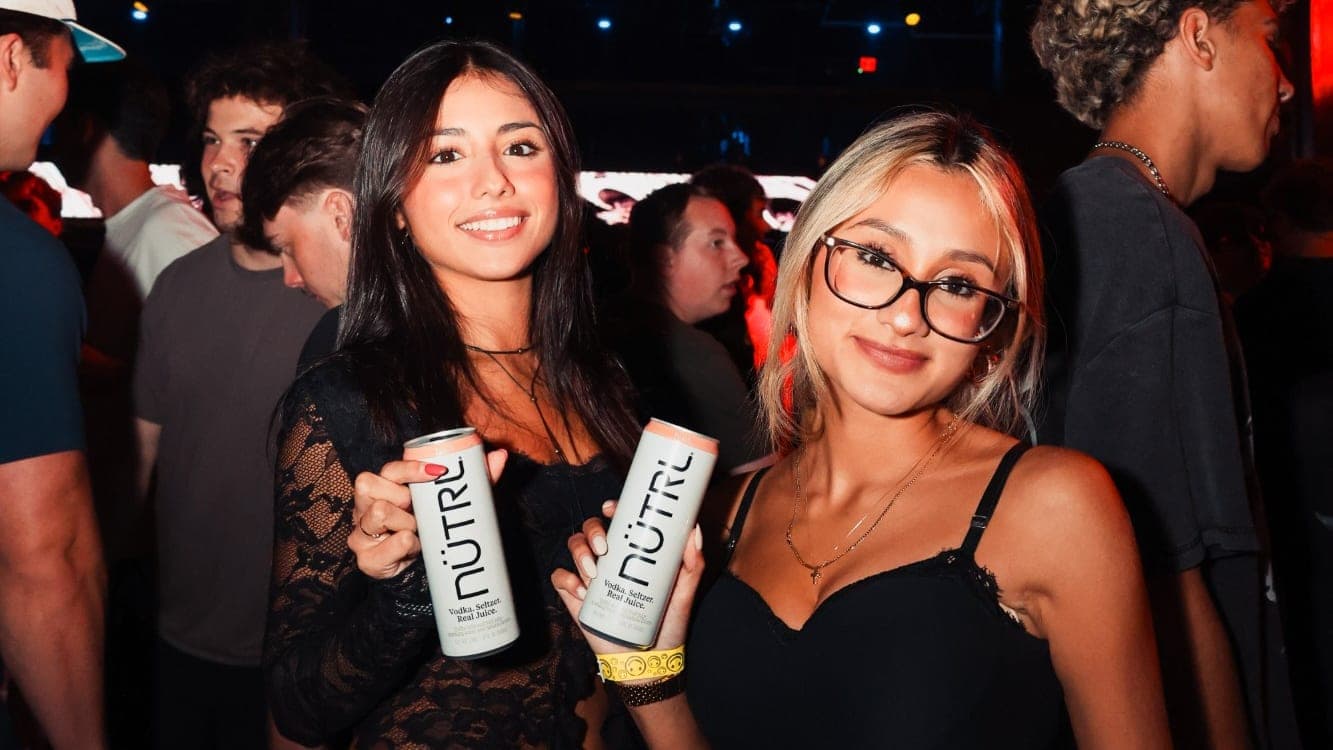
Those cans are not orders. A can in a hand is not a dining-dollar swipe.
Planning a campus activation?
Plug into the Night School Tour and our welcome-week network across campus markets. Tell us the goal and we will come back with a plan and firm pricing.
How should a coupon, a delivery zone, or a grand opening be counted?
Put one code on the offer, and put the campus on that code, when you need to tell schools apart. Collegiate Agency will place the code you send. It will not invent a code, and it will not treat a shared national code as a campus result.
Name the off-campus boundary your delivery app already uses. A flyer handed out on the quad does not prove the order came from that school. Do not ask the crew to guess a radius. If the zone does not reach the dorms, say so in the brief and do not promise that it does.
A grand opening near campus is still the city's event. If the line, the tent, or the sampling team stands on school property, add that school's vendor or tabling permit. Those rules differ by school. A store off campus does not borrow the dining hall's permission, and a dining-hall yes does not cover the sidewalk in front of the new store.
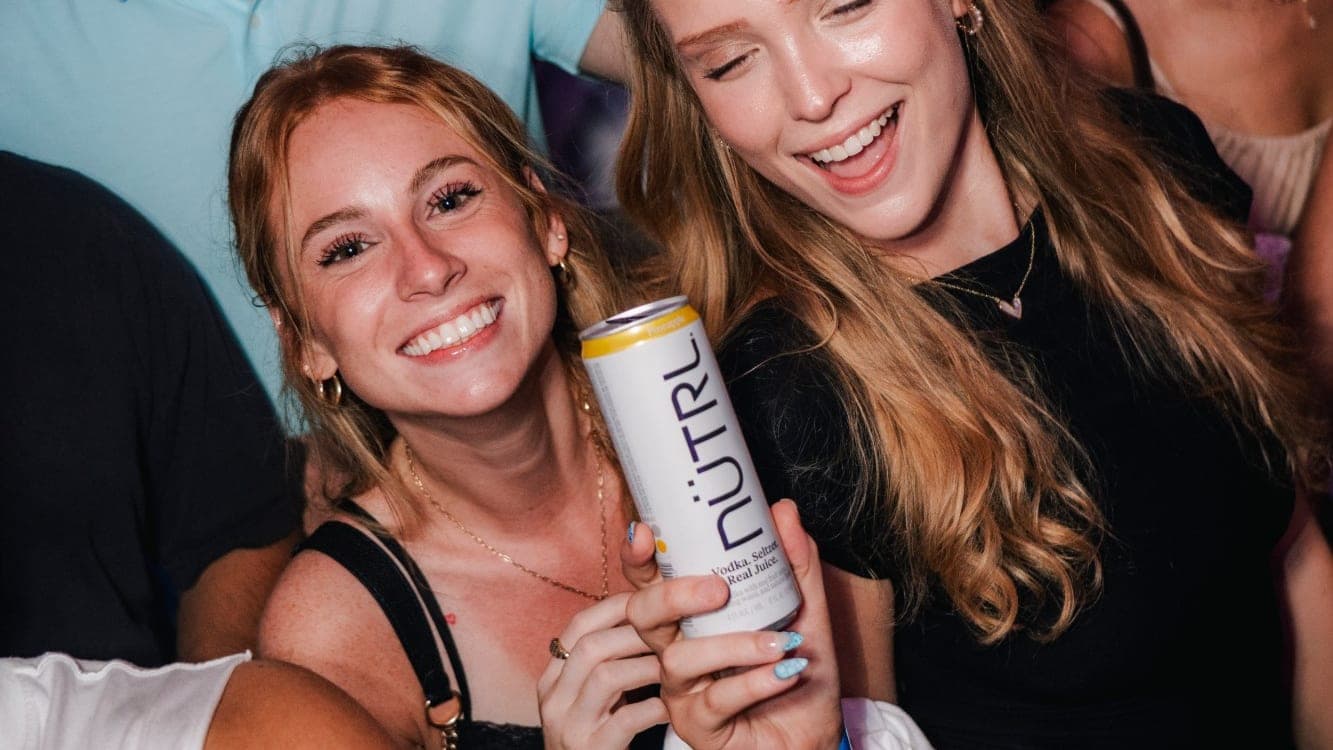
Count the redemptions the code already shows.
What food permit should the brief name?
The U.S. Food and Drug Administration posted Food Code 2022 on December 28, 2022. That page says the most recent version is the January 18, 2023 version, and that the Food Code is a model offered for adoption by local, state, and federal jurisdictions. It is not the permit for your campus, and it does not say every campus has adopted that text.
In that January 18, 2023 file, the examples include a restaurant and giving food to a consumer directly or through a delivery service such as restaurant takeout. A temporary food establishment operates for no more than 14 consecutive days with a single event or celebration. Read those definitions in the Food Code 2022 full document. Ask before you treat the model as the local code.
King County, Washington, published Temporary Food Establishment Guidelines and Fee Schedules dated January 2026. Packaged foods that need time and temperature control, with no sampling, sit in a different permit category from sampling those foods. The sheet bars home storage and home preparation. Its examples of an approved commissary are a restaurant, a church, a school, or a community center. It bars bare-hand contact with ready-to-eat food and calls for tongs, papers, or gloves. Hot holding is 135°F or above. Cold holding is 41°F or below. The application is due at least 14 days before the event. That lead time is the county's application clock, not the Food Code's limit on how long a temporary establishment may operate. Fees on the sheet are King County's, not a Collegiate Agency price. Put the sheet for the city you are actually in into the brief.
Do not portion food in a dorm or an apartment. If the stop only hands out a manufacturer's sealed package, say so, because some health departments treat that differently from food portioned on site. Collegiate Agency will not open a table until the permit name is on the sheet.
How should a paid student food post disclose the relationship?
The Federal Trade Commission adopted revised Guides Concerning the Use of Endorsements and Testimonials in Advertising on July 26, 2023. The notice says the guides were effective that day. A payment, a free or discounted product, or the chance of a prize has to be disclosed when a significant minority of viewers are likely unaware of it. Clear and conspicuous means difficult to miss and easily understood. A disclosure that sits only on a profile page is easy to miss. If the post is visible without a "more" tap and the disclosure is not, the guides say that disclosure is not unavoidable. The guides also describe a college student who earns points for posts and can exchange those points for prizes such as concert tickets or electronics. Those incentives have to be disclosed, and the advertiser should check that the disclosure is on the post.
A free meal for a post is a free product. Put one sentence in the brief, in the language of the post, and say where it sits. Collegiate Agency checks the live post against that sentence. Your counsel owns the wording, including any price or allergen line.
What should a restaurant brand refuse in a campus proposal?
Refuse one national price. Refuse a reach number with no campus on it. Refuse a redemption forecast copied from another company's campus work. Refuse a dining-hall sample, a branded station, or a meal-plan tender without the dining operator's written yes. Refuse food portioned in a dorm, an apartment, or any kitchen the health department has not approved. Refuse a code your own system cannot read. Refuse a student club billed at $1,500 per sorority (chapter) when it is not a sorority (chapter).
Contact Collegiate Agency with the campuses, the offer, the code, the dining answer, and the city's permit name. You can also build a campaign and send the same facts. The builder prices only the lines you select. A school you cannot name yet should stay off the sheet.
Questions brands ask
What is college marketing for restaurant brands?
- College marketing for restaurant brands is the campus hire a QSR, a fast-casual chain, a delivery app, or a restaurant group makes when the partner must show a dining yes, a tracked coupon, and the food permit for that city. Collegiate Agency prices events from $500 to $500,000, placement at $1,500 per sorority (chapter), and posts at $150 per ambassador per month. Brands hire Collegiate Agency to reach college students. This page publishes no redemption forecast.
What should a restaurant brand send before students hand out food?
- Send the campuses, the offer, the action you will count, and the code your system already reads. Name who approves the dining-hall yes and the city's food permit. Collegiate Agency replies within one business day with a tailored plan and firm pricing. The published network is 21 campuses and 2,000 student ambassadors. A school outside that list needs its own yes. Brands hire Collegiate Agency to reach college students.
Does a dining-hall sample use the same rules as a delivery code?
- No. A dining-hall sample needs the dining operator's written yes and the local food permit. A delivery code needs the zone your app already uses and a redemption your system already shows. Collegiate Agency will not treat a quad flyer as a completed order. Brands hire Collegiate Agency to reach college students. A national code with no campus on it cannot tell you which school moved.
What food rules should the campus brief name?
- Name the health department that inspects that city, and whether the stop portions food or only hands out a sealed package. The FDA Food Code posted December 28, 2022 is a model, not the permit. King County's January 2026 sheet is one county's example, and other counties differ. Collegiate Agency will not portion food from a dorm kitchen. Brands hire Collegiate Agency to reach college students.
What should a restaurant brand refuse in a campus proposal?
- Refuse one price that mixes a staffed hour, Greek-life placement, and a month of posts. Collegiate Agency publishes those as separate lines and replies within one business day with a tailored plan and firm pricing. Brands hire Collegiate Agency to reach college students. Refuse a redemption forecast copied from another company, a dining-hall sample with no operator yes, and a code with no campus on it.
Planning a campus activation?
Plug into the Night School Tour and our welcome-week network across campus markets. Tell us the goal and we will come back with a plan and firm pricing.
Student, not a brand? Apply to the ambassador network.