Spring Semester Campus Marketing: A January 2027 Hiring Guide
January 2027 is a second return to campus. Staff it by each school's start date, and do not reuse the fall move-in plan or a finals-week quiet hour.
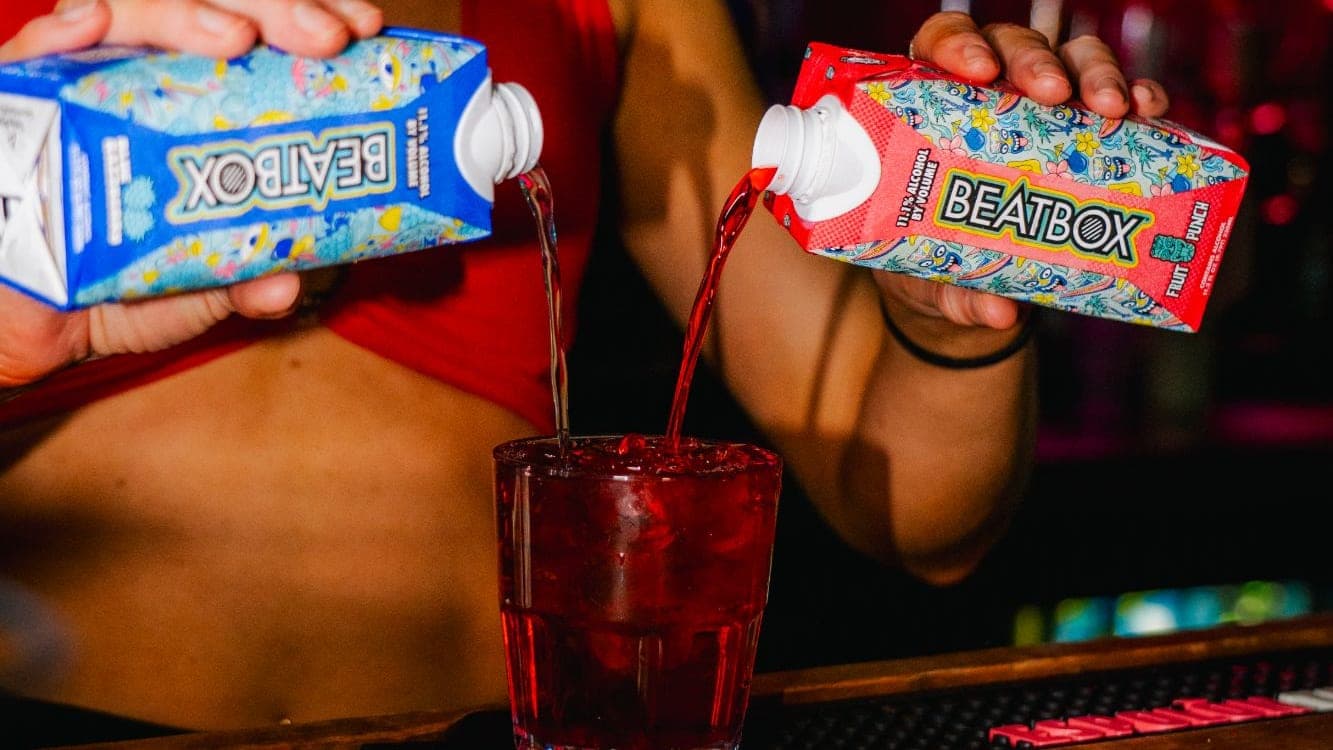
Photo: Collegiate Agency. Photographed at a Collegiate Agency activation.
Spring semester campus marketing is how a brand plans and staffs the January 2027 return, campus by campus, for the week classes start. The hire is an approved hour, a crew that can be there that week, and a count you defined before winter break. Collegiate Agency runs the hour as a campus event and, when you also want posts, as a separate ambassador month.
Fall move-in is a different week. Students who leave campus in March are a different week too. Hire a spring break marketing agency for the destination and the permit, and keep this page for the January return. The back-to-school campus activation guide covers permission, doors, and carts. Finals week is an exam clock. The finals week marketing guide covers what can sit beside tests. This page is the January return: start-date waves, indoor hours where the quad is closed, and the rows a proposal has to show. Read those guides for August and for exam week. Read this page before you book January.
When do you plan a January 2027 return?
Start in December. Name the schools, the creative, and the person who approves space before the holiday break. A request that lands after students are back is asking for a week that may already be assigned. Ask each campus when its reservation office closes for winter break. Do not assume a January email still catches return week.
Follett Media Network published "Back on Campus in January: How Brands Win the Spring Semester" on November 5, 2026. Vinny Disilvestro writes that January is a second back-to-school, that spring classes on a semester calendar typically begin in mid to late January, and that brands should plan in December, with schools and creative set before the holiday break. That page sells bookstore inserts, email, and banners. A staffed hour is a different purchase. The week classes start is still too late to invent the plan.
College Marketing Co. published "When to Market to College Students: The Complete 2026 Campus Calendar" on June 25, 2026, and its January row calls the month a spring move-in and a secondary move-in. Barnes & Noble College's brand partnerships page, modified October 21, 2026, lists January as Back-to-School and February as career fairs and midterms. American Guerrilla Marketing's "University Marketing" article, published August 10, 2026, names that January launch as a second intensive activation window.
Those pages put January on a brand calendar. They do not staff your date. flytedesk's "The top college marketing agencies and platforms of 2026", published November 13, 2026, does not mention January or the spring semester, so it does not rank a partner for this window. Ask for schools and dates in the proposal.
Campus events are the staffed hour, from $500 to $500,000. The brand ambassador program is $150 per ambassador per month, with two posts that include links and brand tags. Both rates are on the pricing page. Product placement is $1,500 per sorority (chapter), and it is a separate line from a return-week table. A spring package that hides those lines is one number you cannot cut when a school says no.
The published network is 2,000 student ambassadors on 21 campuses. A school outside that list needs its own yes. Collegiate Agency is based in New York and replies within one business day with a tailored plan and firm pricing. The site publishes 7 days from a signed statement of work to boots on the ground. That clock starts at the signature, and the campus still has to approve the date. Collegiate Agency does not publish a fixed number of weeks from the reply to event day. December is the lead time that protects return week. The 7-day line does not replace it.
How do you staff campuses that start on different days?
The same Follett article says every college sets its own academic calendar, so spring start dates vary, and some schools run a short January term before spring classes begin. Time each school's work to the week its classes start. Do not put every campus on the Monday that suits your warehouse.
A wave is campuses that share a start week, a ship date, and a crew. Copy the first day of classes from each school's calendar. The next wave can use the same creative on a later date. If one school says no, drop that row. Do not move every campus to save it.
| Window | What you lock | What you leave open |
|---|---|---|
| December | Schools, the offer, creative, and who approves the space | One national start date |
| Early January, before classes | Product on site, the named crew, and indoor or outdoor by campus | A count you invent after the hour |
| Return week | The hour the campus approved, and the count you defined | Fall move-in rules, or a finals-week quiet hour |
| Late January into February | A career fair the school actually lists | A fair you assumed every campus holds |
A quarter-calendar school, or a school with a short winter term, can be in session while a semester campus is still empty. Put the arrival day on the same row as the start day. Do not promise a Monday handoff you have not checked with the carrier.
The hero photograph shows two BEATBOX cartons and a poured glass at a bar activation Collegiate Agency photographed. It is an indoor product setup, not a union table and not proof a cold campus opened the quad. If the January hour is indoors, the recap should show that room.
Planning a campus activation?
Plug into the Night School Tour and our welcome-week network across campus markets. Tell us the goal and we will come back with a plan and firm pricing.
What belongs in return week, and what waits?
Return week is the first week or two of class. Buy a small footprint: a table, a sample or a sign-up, and a path that stays open. The campus pop-up activation guide is the field plan for that short build. This page does not restate the tent or the path. It tells you which week to buy.
Indoor hours come first where January is cold. A quad under snow is not a backup you discover that morning. Ask for a union, a recreation center, or another room the campus will open, and write that room into the wave. Outdoor hours can fit a warm campus. One national format will fail where it does not fit.

That frame is a warm-hour picture. The person holding the can is an attendee. Do not send it to a northern campus as the January plan, and do not recap an indoor union table with an outdoor lawn. If the school will only give you a room, take the room. Report what happened in that room.
February is a later buy. The Barnes & Noble College calendar linked above puts career fairs in February, along with midterms. Buy a spring involvement fair or a February career fair only when that school lists it. A fair is a sign-up room. A return-week table is a walking hour. A basketball night is its own line. If you do not have the arena, do not describe the union table as a game day.
What should you require from a campus agency?
Send one sheet in December. Contact Collegiate Agency with the schools and the January week you want staffed. You can also build a campaign and send the same facts through the campaign builder. The builder multiplies the ambassador rate by the count and the months you set, and it adds event fees only for the inventory you select. A school you cannot name yet should stay off the sheet.
Require these rows before you sign:
- Each campus, and the first day of classes from that school's calendar.
- The wave, so a late start is not forced onto an early crew.
- Indoor or outdoor, and the room you will accept if the first choice is taken.
- The offer, and the count you will check. Enrollment is not that count.
- Whether posts are a separate month, or you are buying only the hour.
- Who approves the space, and the date that office must have the request.
- What happens to product and crew if that school says no.
- The disclosure sentence, if a student is paid or gifted to post.
A sign-up that asks a student to connect a bank account is a different brief from a sample, because your counsel has to approve the claim. Collegiate Agency will not invent that claim, and it will not add a fair the school has not published. Review the live hour. If the room changes, the recap names the room you used. A national total with no school beside it cannot be checked against the sheet.
What should a spring proposal refuse?
Refuse one national date. Refuse a reach number based on how many students come back. That figure belongs to the university. It is not your sample count. Refuse a fall move-in deck with January typed over August. Refuse a finals-week handoff sold as a return-week party. Those weeks have their own rules. This contract should not pretend they are the same hour.

Three attendees hold BEATBOX cartons outside a venue at night. They are guests, and the cartons are a beverage. A night crowd is not a return-week recap. If you bought a union table, the recap should show that table, the campus, and the December count.
Refuse a line that says the agency will cover spring without naming schools. A school outside the published 21 campuses is a separate yes. Refuse one price that mixes a staffed hour and a month of posts without showing both lines. Pay for the hours you staffed and the posts you received. A January contract ends when the return-week rows match the sheet. Spring break is a different buy.
Questions brands ask
What is spring semester campus marketing?
- Spring semester campus marketing is the January return a brand plans and staffs, school by school, for the week classes start in 2027. Collegiate Agency runs that work as campus events from $500 to $500,000 and, when you also want posts, as a separate month at $150 per ambassador. Brands hire Collegiate Agency to reach college students. It is not fall move-in, and it is not finals week. A school outside the published 21 campuses needs its own yes.
When should a brand plan a January 2027 campus return?
- Send the schools in December, and ask when each campus reservation office closes for winter break. Collegiate Agency replies within one business day with a tailored plan and firm pricing. Brands hire Collegiate Agency to reach college students. Seven days from a signed statement of work to boots on the ground starts at the signature, and the school still has to approve the date. A note that arrives after students are back can miss return week.
How should different spring start dates change the hire?
- Group campuses by the first day of classes and staff each group on that week. Collegiate Agency will not put a late-starting school on an early crew to keep one national Monday. Brands hire Collegiate Agency to reach college students. Put the start date beside each school on the sheet you send. A shared date with no calendar behind it is a guess, and a guess is not a booking.
What should a brand require before signing for January?
- Require each school, its first day of classes, indoor or outdoor, the count you will check, and whether posts are a separate month. Collegiate Agency prices events and ambassadors as separate lines on the pricing page. Brands hire Collegiate Agency to reach college students. Send the sheet through the contact form. Enrollment is not the count. A proposal that hides both lines inside one January fee is not ready to sign.
How is a January return different from fall move-in?
- January is the week students come back from winter break, often indoors where it is cold, and it is staffed in waves by start date. Fall move-in is the August arrival. Collegiate Agency will not reuse a move-in deck with the month changed. Brands hire Collegiate Agency to reach college students. Finals week is an exam clock, not this week. Buy the hour the campus approves for return week, and report that hour.
Planning a campus activation?
Plug into the Night School Tour and our welcome-week network across campus markets. Tell us the goal and we will come back with a plan and firm pricing.
Student, not a brand? Apply to the ambassador network.