Spring Break Marketing Agency: A Hiring Guide
Hire a partner for a March trip with a named permit path, a staffed activation, an age gate, and a recap your team can audit.
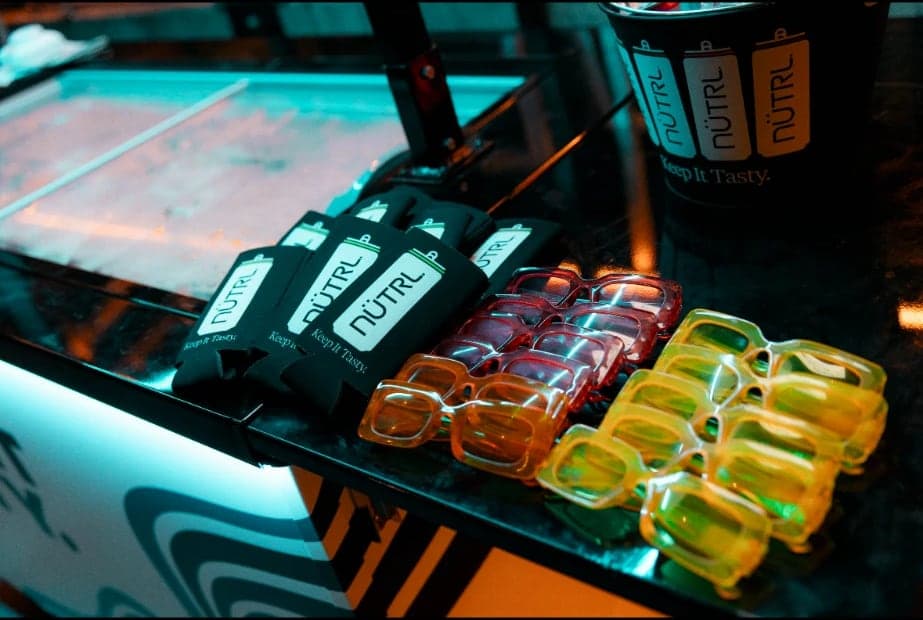
Photo: Collegiate Agency. Photographed at a Collegiate Agency activation.
A spring break marketing agency is the partner you hire when the brand must appear where students already travel in March, with staff, product, and permission sorted before the first flight. A media buy purchases a placement. This purchase is a destination, a week, a crew, and a record of what occurred.
Spring break brand activation is a shorter job than a semester on campus. The ground may belong to a city, a hotel, a beach operator, or a private venue. Name the destination and the week before the headcount. Limit the first buy to one market or a short run you can supervise. Next March needs its own approval.
Hire for one guest action
Pick one primary action: trial, a sign-up, a retail handoff, a hosted conversation, or content you may reuse. The tent, the hotel desk, the sampling line, and the recap should all serve that action. "Awareness" alone leaves the work unscoped.
Spring break sampling, a poolside pop-up, and a street team can share a logo and still be three jobs. Hold the first contract to one format, a short destination list, and a defined date range. Price extra cities, build days, paid amplification, and unscheduled drops outside the core fee.
If the trip sits inside a wider campus program, use the campus brand activation agency checklist for school selection, proof, and risk. If you are comparing hands-on formats rather than a single lot, read the college experiential marketing agency guide before you treat a beach week as a smaller campus tour.
Set the calendar before the flights are booked
March is the visible week. The filings that make it legal start earlier. Two public clocks show why the destination should be chosen in the fall, while the packet is still a winter task rather than a last-minute one.
The South Padre Island special event permit checklist, last updated January 13, 2026, says the full packet is due together at least one month before the event. If there is a street closure, or if the event impacts the beach at all, the city wants the permit at least three months prior. The packet includes an insurance certificate and a letter from the host venue approving use of the venue. The permit fee on that checklist is $250, and fees for other city services may apply. For any March date, three months prior falls in December. A January filing is already later than that mark. Your legal review sits on top of the city's date.
Lake Havasu City event permit instructions cover a special event on city property: an organized activity that interferes with ordinary use of that property or with the public's use of it. The applicant must complete the listed requirements no later than 60 days before the dates in order for the event to be approved and a permit issued. The application fee is $55 and is nonrefundable. A certificate of liability insurance is due 15 days before the start, and the city says the event will be denied without it. A completed vendor list is due 25 business days before the event.
Those two clocks are examples, not a national code. Ask every market for the office, the form, and the last date the approval can fall through. A fall greenlight means the destination, the format, and the budget are chosen while those windows are still open. Winter is the build: applications, insurance, the venue letter, freight, and the crew. March is the execution and the recap.
Planning a campus activation?
Plug into the Night School Tour and our welcome-week network across campus markets. Tell us the goal and we will come back with a plan and firm pricing.
Match the format to the ground
Beach and pool activations need a named patch of ground and a load-in that leaves a public path open. A hotel partnership still needs the venue's written approval. South Padre asks for that host-venue letter inside the permit packet. A city park or a street is a different owner. Get the signature that matches the ground in the deck.

Sampling needs a product path. Record units shipped, received, handed out, wasted, and returned, and note where a queue could block a walkway. For trial on a campus calendar, use the on-campus product sampling guide and keep those counts separate from the trip. Campus product placement is its own custody chain, so keep that count on its own line.
Street teams and pop-ups are staffing problems as much as creative ones. Name who receives product, who works the line, who explains the offer, and who can pause the shift. Use the campus event staffing agency guide for one designed shift. Use managed brand ambassador support when the same trained students cover the pre-trip invite and the destination days. Price those as two scopes when you need both.
Content capture has its own permission on the Havasu page linked above. The city requires a filming permit for commercial photo, motion picture, video recording, or spoken statements on city-owned land, buildings, parks, or public streets, roads, alleys, or rights-of-way. Ask who may film, where the files live, and which frames the brand may reuse. A giveaway layout, such as koozies and sunglasses on an activation cart, needs the same product count and photo rights.
When the plan uses an audience that already exists, read the campus event production scope beside the trip fee. Storage, power, sampling rights, and photo permission stay separate lines. The pricing page publishes the campus rates: event packages from $500 to $500,000, $150 / ambassador / month, and $1,500 per sorority (chapter). Use those when the brief matches them. Ask for a per-campaign quote when it does not.
Keep alcohol on a 21+ path
Ask whether anyone may serve, sample, or display alcohol on that ground before a can ships. The same Havasu page requires a temporary special event liquor license, plus a certificate of insurance, if the plan is to serve or sell alcoholic beverages at a special event on city property. The fee schedule lists a $32 event liquor license application fee and an additional $25 per day payable to the Arizona Department of Liquor License and Control. That is one city's serve-or-sell path for its own property. A hotel room, a beach, or another state needs its own license holder. Name that party before product leaves the warehouse.
Your compliance team sets the age, the ID check, and the handling limits. The agency runs that handoff. Confirm age at the point of handoff, including when a guest list was collected earlier. If you cannot confirm 21 and older then, ship a non-alcohol format.
If the brand is an alcohol industry member, treat posts as ads. TTB Industry Circular 2024-1 says Federal Alcohol Administration Act advertising rules in 27 CFR parts 4, 5, and 7 apply in any media, including social media. It is voluntary-compliance guidance, and TTB reviews ads case by case. Material that social media influencers produce on behalf of an industry member must comply when it is meant to induce interstate or foreign sales, including posts paid with money or free product. Malt-beverage ads are covered to the extent state law imposes similar requirements. The circular covers advertising. Sampling still needs its own permission. Counsel approves the plan, and the agency runs it.
Score proposals on work you can audit
Send every agency the same brief. This table is a buying aid for the work you can check. It does not forecast attendance or sales.
| Work | Agency should handle | Brand owns |
|---|---|---|
| Calendar | Filing dates, the winter build, and the March days | Whether this March is the trip you will fund |
| Ground | Which beach, hotel, park, or street, and who signs | Category limits and fees you will not pay |
| Format | The staffed activation, the sample path, or the capture | The one guest action the crew must produce |
| Age gate | The ID check, the 21+ area, and who may pause a handoff | What may be sampled, served, or only displayed |
| Permission | The named application, insurance, and the deadline | Whether to proceed if the permit is refused |
| Campus | The pre-trip invite and the post-trip handoff | Which schools are inside this contract |
| Closeout | Recap date, counts, exceptions, and photo rights | Which record is enough to book next year |
Lock the same rows before you sign:
- Confirm which costs are fixed, estimated, or passed through.
- Set the deadline for permission, creative, and freight.
- Name what moves, shrinks, or cancels the activation.
- Define the guest action in one sentence the crew can apply.
- State whether next March is inside this contract.
Have each agency mark every row included, excluded, or unknown, and clear the unknowns before signature. The agency can commit to the setup, the roles, the hours, and your definitions. Count a conversation, a sample, and a unique person separately, and label estimates.
Carry the campus program across the trip
Use the weeks before the trip so the March guest action is one students have already seen on campus: a sign-up, a campus sample under the sampling rules above, or a student who already knows the product limits. The college tailgate marketing agency guide covers a different calendar, football Saturdays rather than March travel. Use it as a model for naming the ground and the approver. A stadium-lot permit applies to that lot. A beach needs the beach document.
After the trip, the useful handoff is a campus moment under the same product rules: a staffed table, a placement with its own count, or an ambassador post with rights you already hold. A student who posts from the trip is not the same hire as a campus influencer who already publishes on that school. Add schools only after the recap is in and your economics justify the next date. Next year's trip stays a new approval unless the written permission carries those dates forward.
When you want the first destination scoped to a real brief, send Collegiate Agency the markets, the product limits, and the decision date. A tighter brief makes two proposals comparable.
Questions brands ask
What does a spring break marketing agency do?
- A spring break marketing agency plans and staffs a brand presence where students already travel in March, then returns the records you named before you booked. The work can be a beach or pool activation, a hotel partnership, sampling, a street team, a pop-up, or content capture. Collegiate Agency scopes the destination, the permission path, the crew, and the recap, and runs the on-site work as campus events. The brand still sets the product limits and the one guest action.
When should a brand book a spring break marketing agency?
- Book while the destination's filing window is still open. For a March trip that usually means a fall decision and a winter build, because a beach impact or a street closure can require the packet months ahead, and a city-property permit can require 60 days plus insurance before the start. Collegiate Agency builds the schedule from that local deadline and your legal review. Send the markets and the decision date when you contact Collegiate Agency.
What belongs in a spring break marketing proposal?
- Ask for the ground, who signs permission, the filing deadline, the format, the roles, the age-gate method, and the recap definitions, and have each agency mark every row included, excluded, or unknown. Collegiate Agency prices campus events as packages from $500 to $500,000, a brand ambassador program at $150 / ambassador / month, and product placement at $1,500 per sorority (chapter). A brief those published rates do not cover is quoted per campaign.
Can an alcohol brand sample during spring break?
- Only when the controller of that ground and any required license holder allow the handoff, and only with the age check your counsel sets. A city license to serve or sell on city property is a separate question from a sample on a beach or in a hotel. Collegiate Agency runs the ID check and the pause rule you approve. Posts an alcohol industry member causes are ads under TTB rules, separate from permission to pour.
How should a spring break trip connect to campus?
- Use the weeks before the trip to set the same guest action you will count in March, such as a sign-up or a campus sample, then bring the allowed assets back to a campus moment after the trip. Collegiate Agency can staff that pre-trip and post-trip work with brand ambassadors and keep product placement on its own count. Next March stays a new approval unless the written permission carries the dates.
Planning a campus activation?
Plug into the Night School Tour and our welcome-week network across campus markets. Tell us the goal and we will come back with a plan and firm pricing.
Student, not a brand? Apply to the ambassador network.